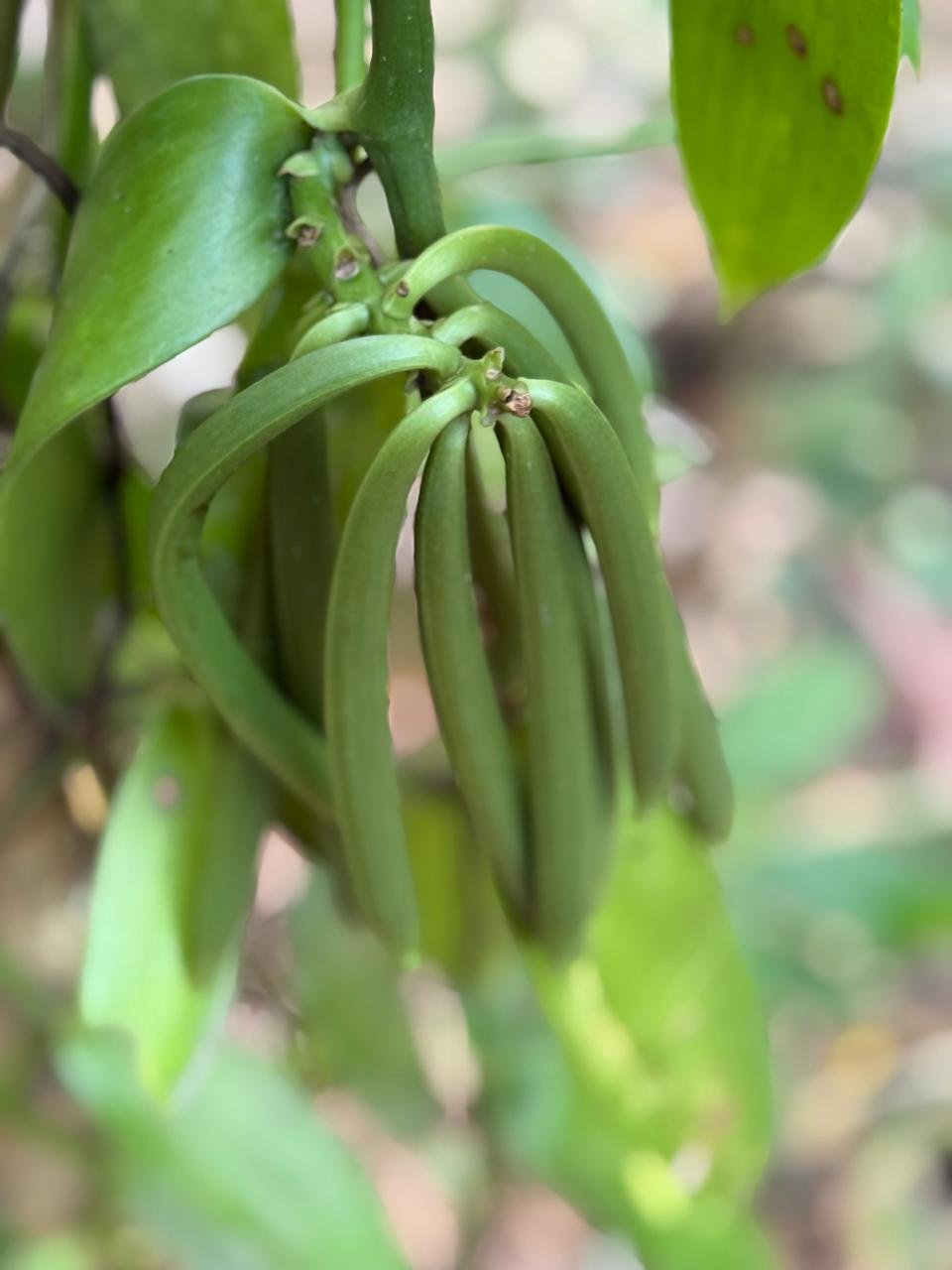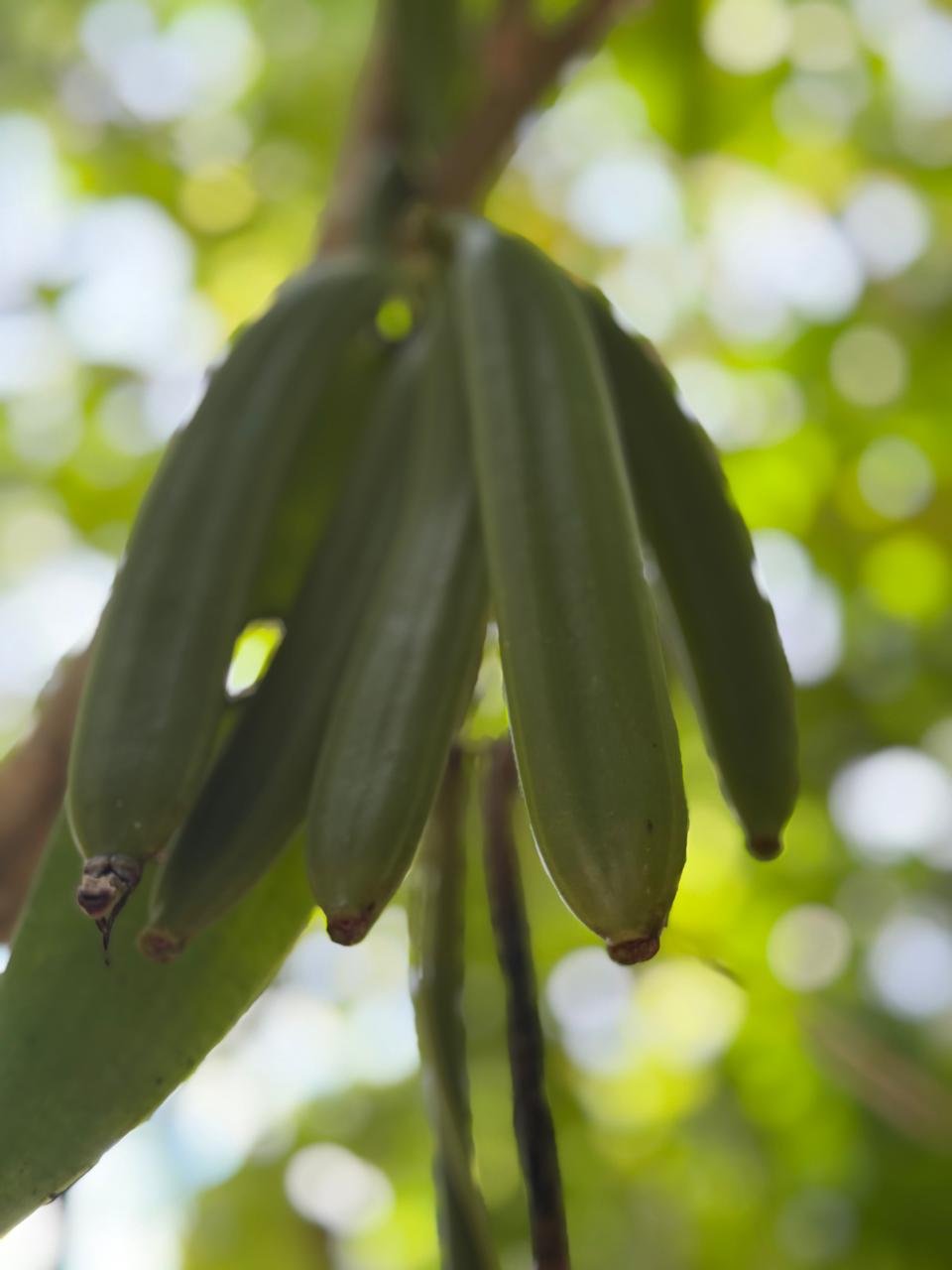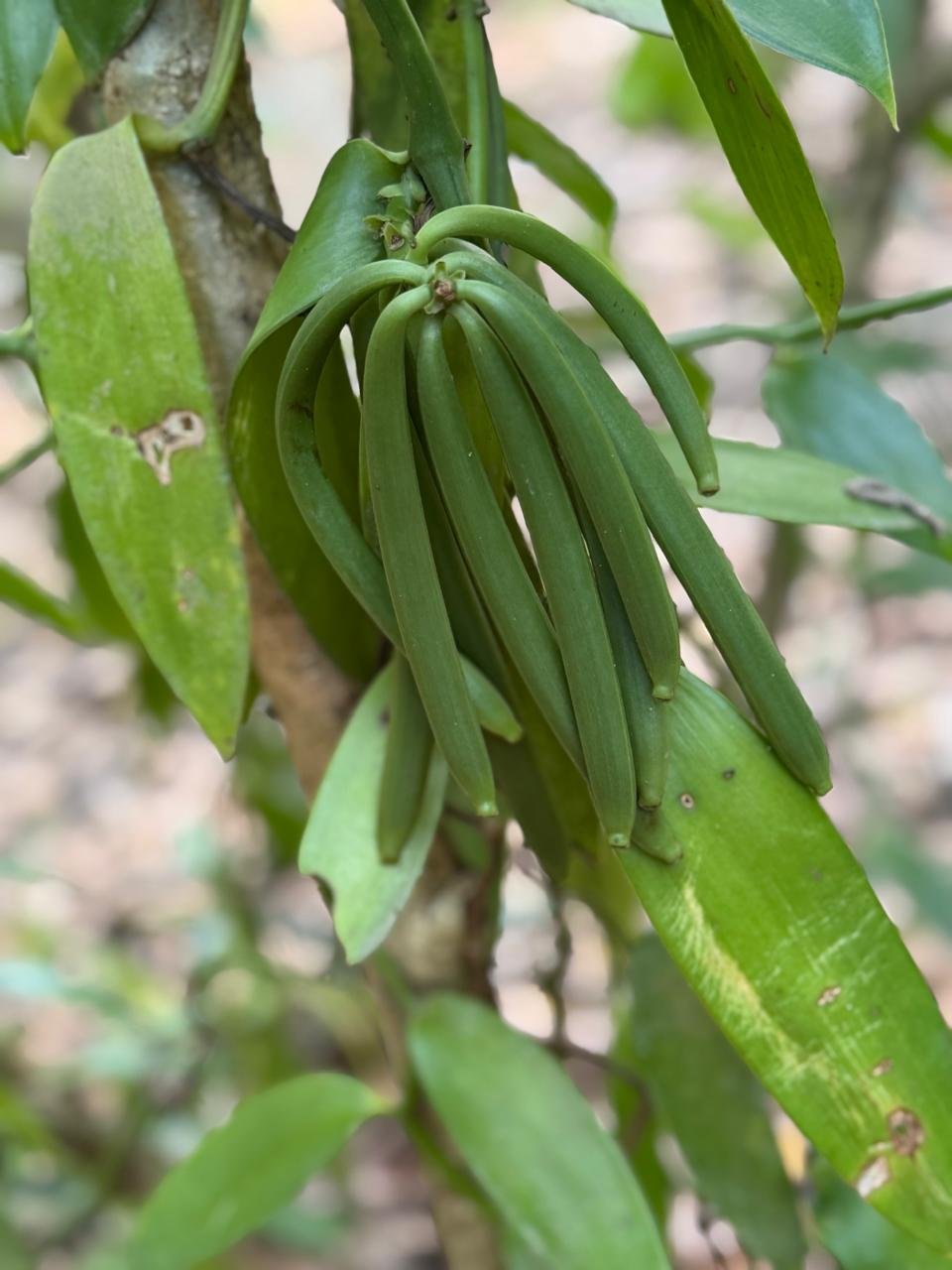
The modern craft spirits landscape is defined by bold experimentation, hyper-local sourcing, and uncompromising botanical complexity. Master distillers and high-end mixologists are continuously pushing boundaries, moving beyond traditional profiles to capture attention in a saturated market. Among the most transformative yet delicate ingredients finding a permanent home in commercial stills and cocktail programs is the noble vanilla pod. Utilizing whole vanilla beans for craft gin, artisanal meads, and small-batch liqueurs unlocks a multi-dimensional flavor profile that artificial extracts simply cannot replicate. At Vrishabha Organics, we explore why discerning creators are making whole-bean botanical sourcing the cornerstone of their next award-winning spirit.
The Science of Botanical Distillation and the Role of Vanilla
Understanding Terroir and Vanillin Chemistry
Natural vanilla is not a monolithic flavor; it is a complex orchestra of over 200 distinct organic compounds, dominated by natural vanillin. When working with spirits, these compounds interact uniquely with ethanol, creating rich esters that soften the harshness of high-proof alcohol. Unlike synthetic vanillin – which provides a flat, one-dimensional sweetness – authentic botanical vanilla brings creamy, woody, floral, and subtle fruit notes.
Grade A vs. Grade B Pods: What Distillers Need to Know
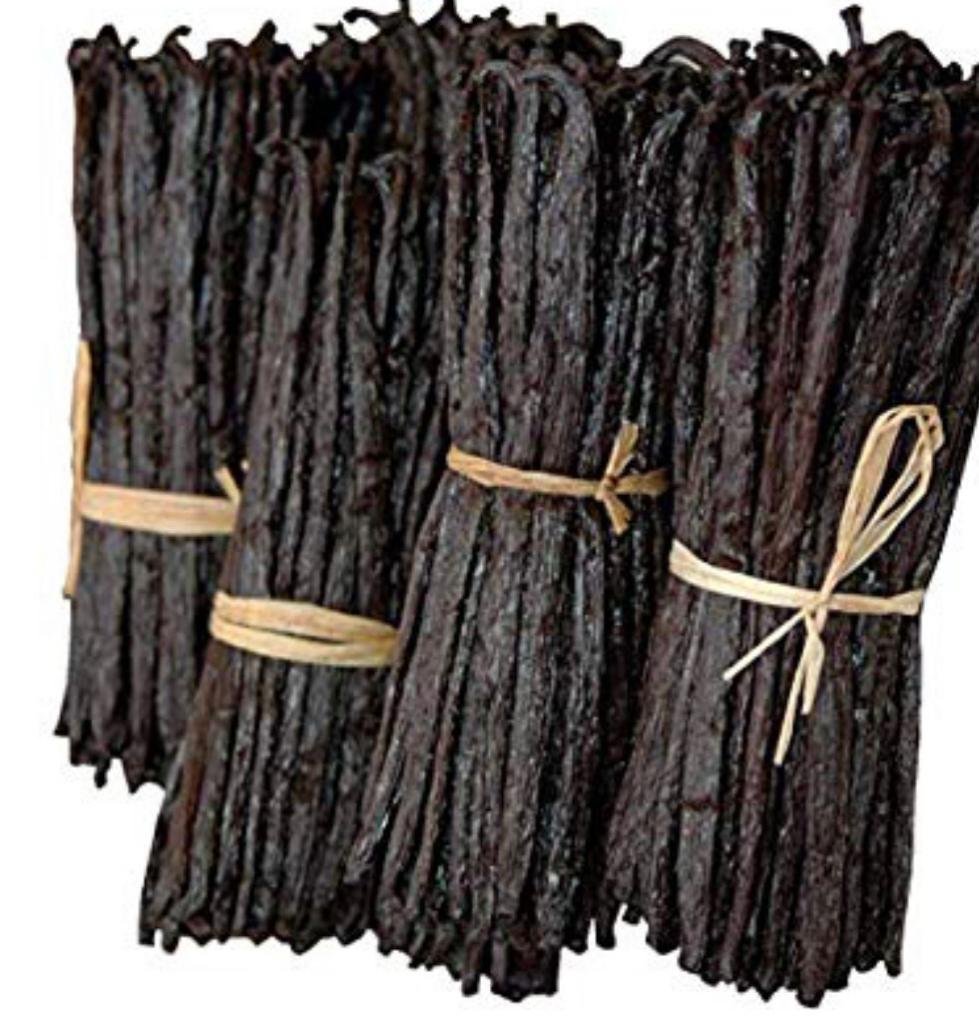
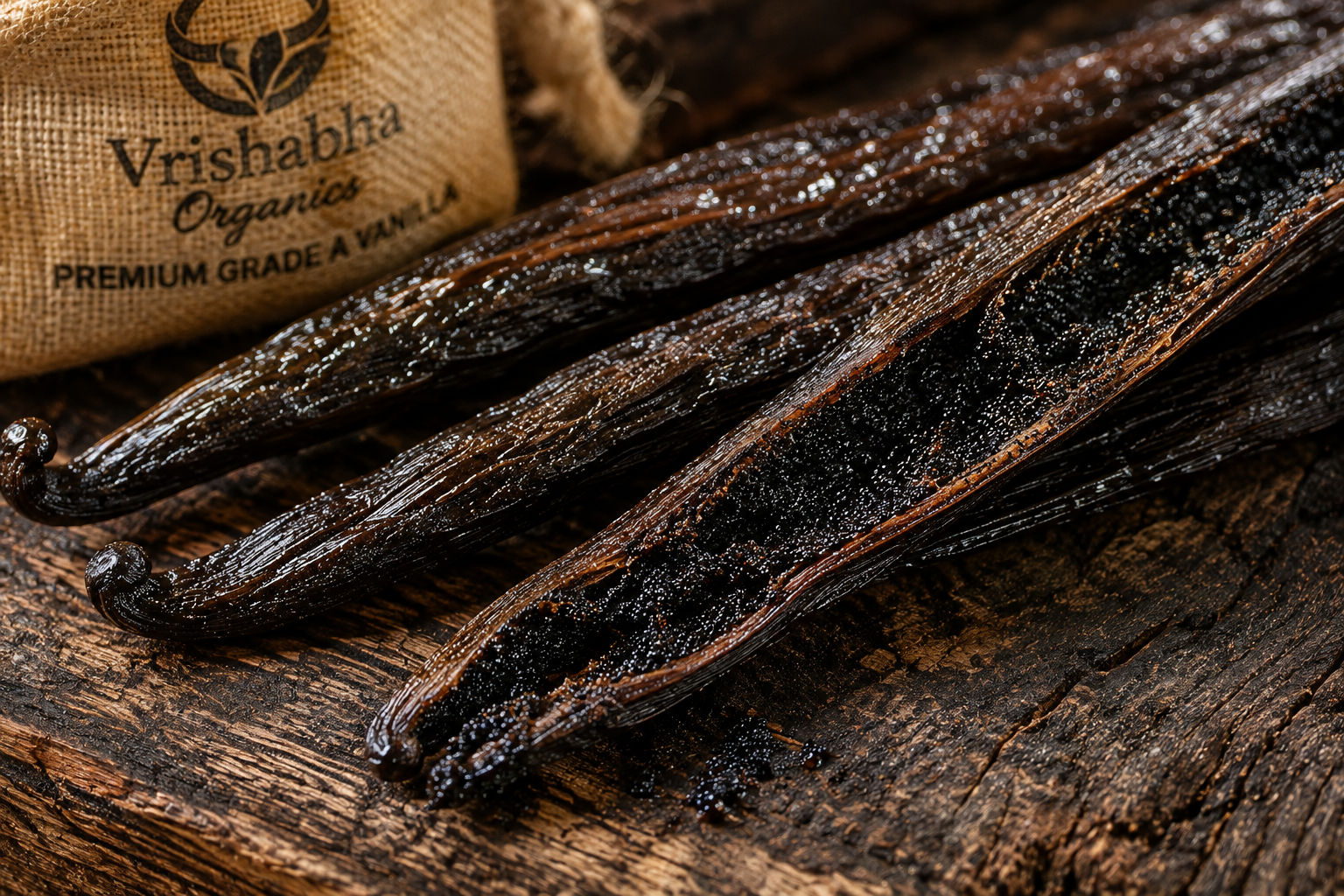
For commercial distillation and direct infusion, understanding bean grading is paramount. Grade A gourmet vanilla beans boast a high moisture content ranging from 30% to 35%, making them pliable, oily, and packed with thousands of aromatic pure vanilla seeds. Conversely, Grade B extraction beans feature a lower moisture content (~15% to 20%) and are traditionally reserved for long-term liquid extracts. Craft distillers prioritizing immediate aromatic brilliance and visual seed speckling in specialty releases consistently opt for premium Grade A pods.
Sourcing the Highest Quality Whole Vanilla Beans for Craft Gin and Botanical Infusions
Evaluating Pods for Commercial Distillation
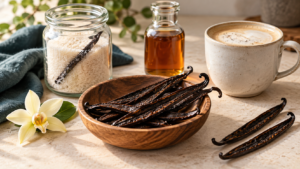
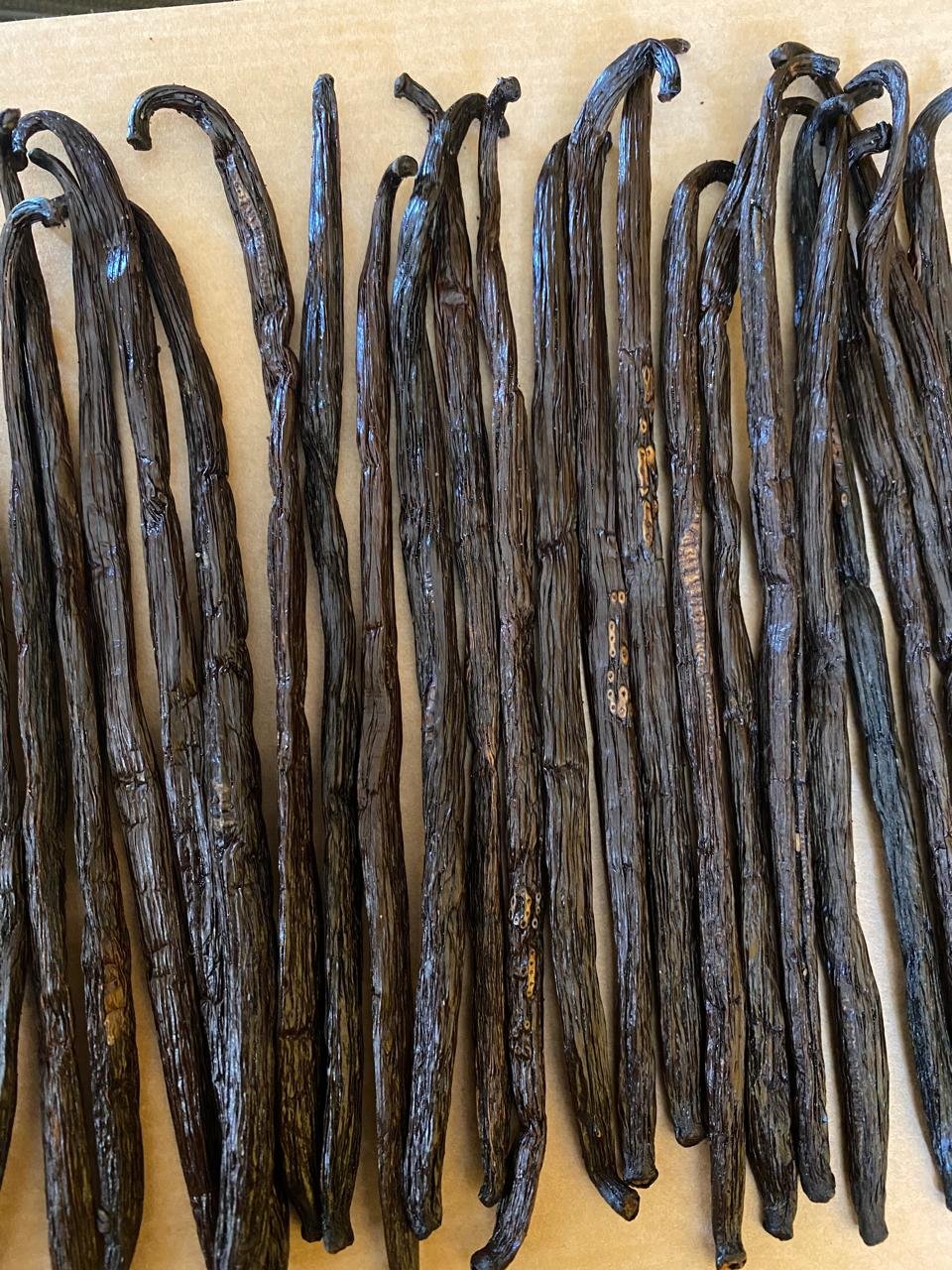
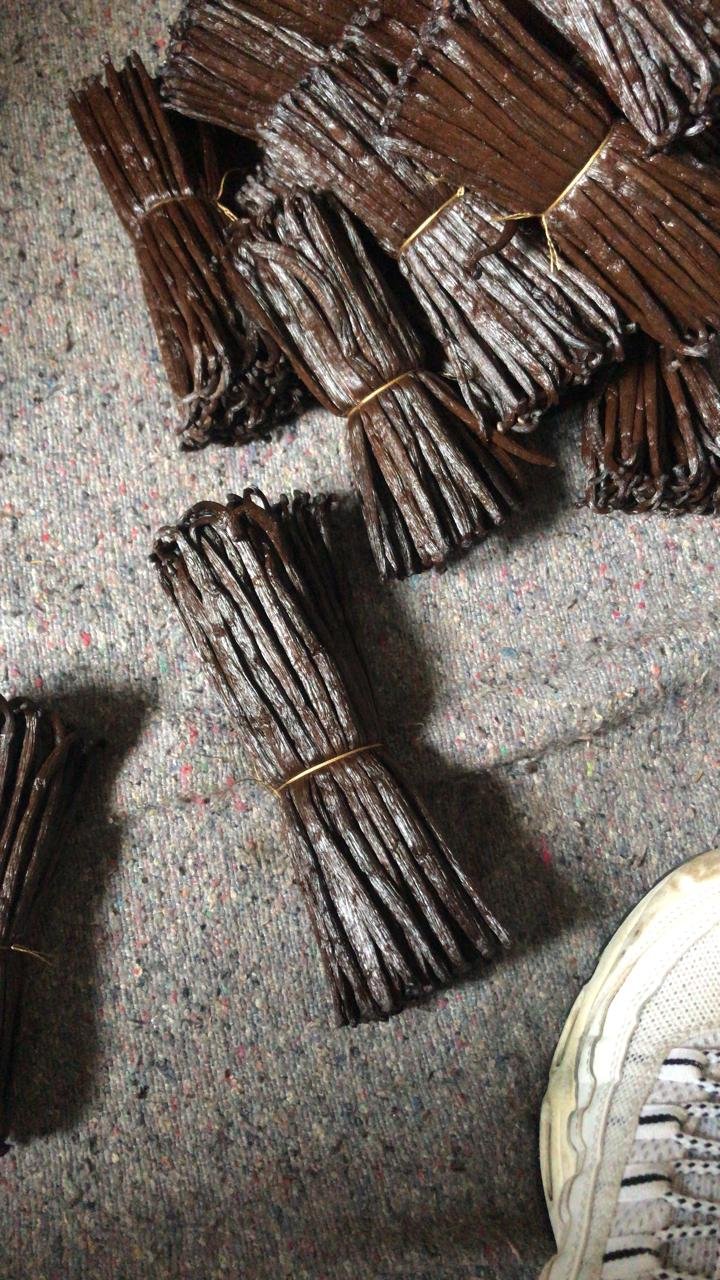
Sourcing raw materials at scale requires rigorous quality benchmarks. Commercial distilleries must look for pods that exhibit a deep, dark brown-to-black glossy sheen, free from mold, artificial chemical treatments, or excessive dryness. The presence of surface crystallization (often called frost or vanillin crystals) is a sign of exceptional curing and high natural sugar content.
Why Vrishabha Organics Sets the Gold Standard for Craft Producers
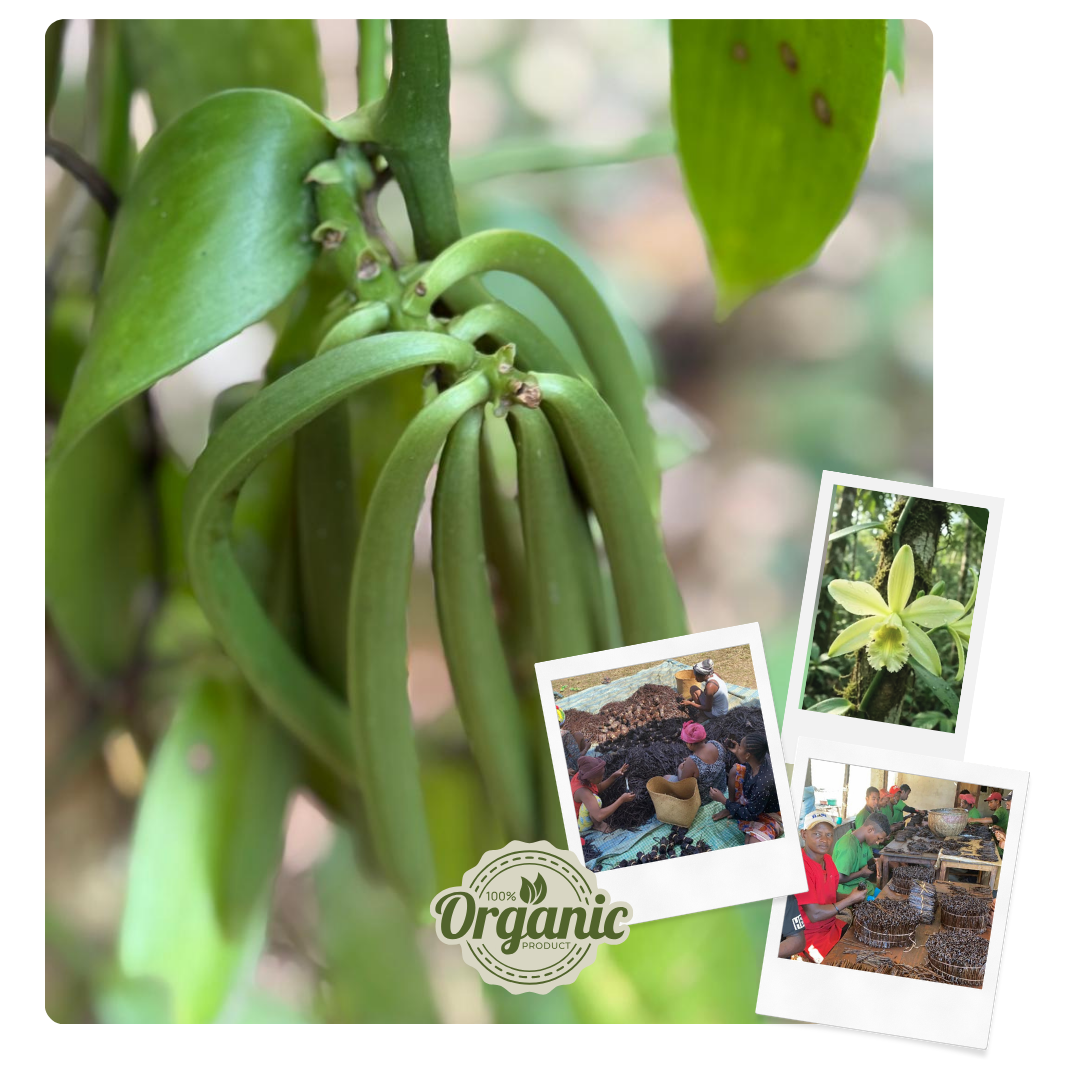
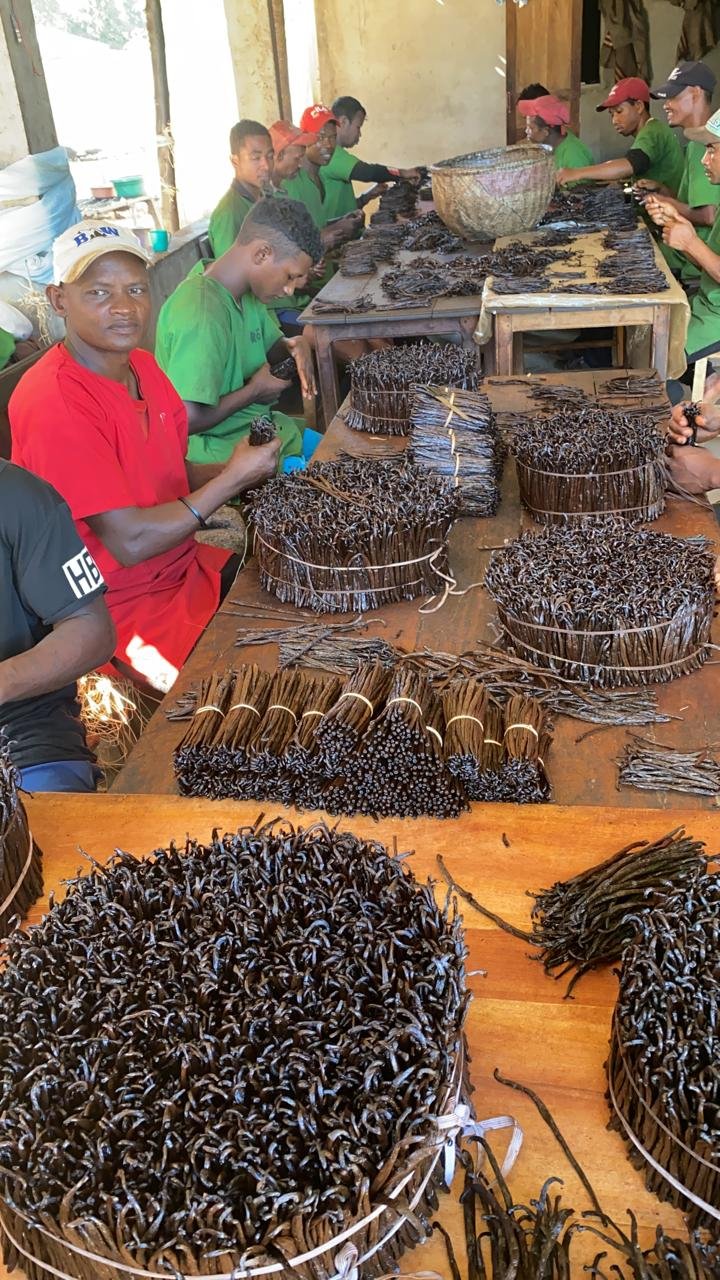
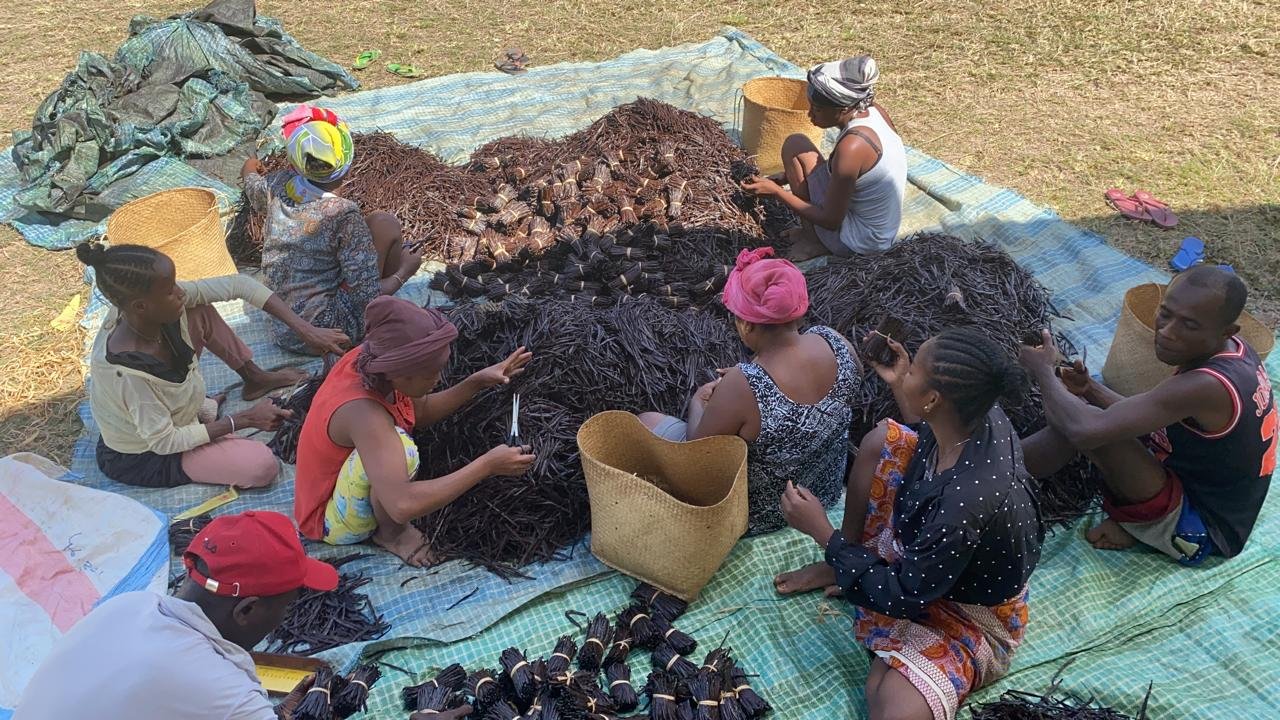
Vrishabha Organics delivers origin-focused, export-grade organic vanilla beans sourced from premier micro-climates. Our pods undergo meticulous, months-long traditional curing processes designed to maximize essential oil retention. For commercial operations seeking consistency, batch traceability, and certified organic purity, partnering with a dedicated supplier ensures your vanilla infused liquor maintains its signature nuance across every production run.
Best Practices for Infusing Spirits and Using Whole Vanilla Beans for Craft Gin
Vapor Infusion vs. Direct Maceration in Gin Production
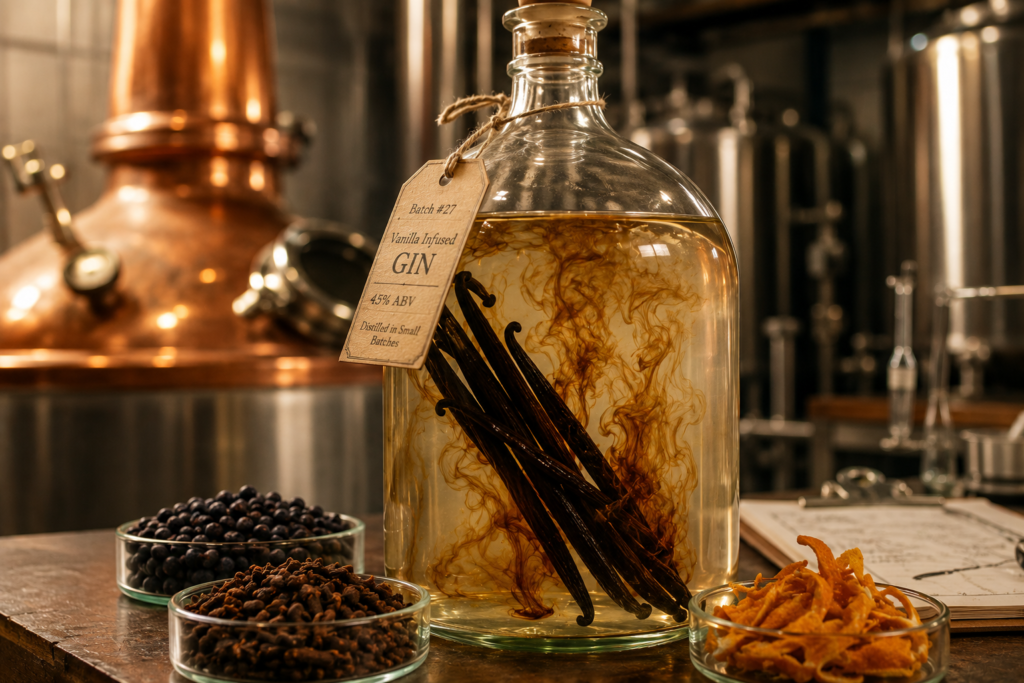
When incorporating vanilla into gin, distillers generally choose between vapor basket placement and direct liquid maceration. Vapor infusion gently passes alcohol vapors through split pods, extracting delicate top-notes without imparting heavy amber colors or dominant tannins. Direct maceration, on the other hand, allows for deep flavoring spirits with vanilla, resulting in a richer body and pronounced amber hues ideal for barrel-rested (reposado or aged) gins and botanical cordials.
Maceration Protocols for Liqueurs and Meads
For honey-based meads (melomels) and artisan liqueurs, timing and temperature dictate success. Macerating split pods in neutral spirit or base wine for 14 to 30 days in temperature-controlled stainless steel or glass vessels prevents over-extraction of bitter wood compounds. Regularly agitating the infusion ensures uniform extraction of the prized vanilla caviar throughout the batch.
Balancing Sweetness and Complexity in Modern Mixology & Distillation
Complementary Botanicals (Juniper, Cardamom, Cloves, and Citrus)
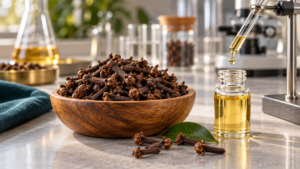
Vanilla is a master bridge builder among botanicals. In craft gin recipes, it counters the sharp, piney bitterness of heavy juniper profiles. Pairing vanilla with warm spices like organic whole cloves, green cardamom pods, and bright citrus peels (such as bergamot or bitter orange) creates a sophisticated, layered profile that appeals to high-end cocktail bars.
Troubleshooting Common Infusion Pitfalls
A common mistake in commercial spirit formulation is over-steeping woody pods, which can introduce astringent tannins. Distillers should routinely perform organoleptic (taste and aroma) checks during maceration. Additionally, utilizing vacuum filtration post-maceration prevents fine vanilla seed residue from creating unwanted cloudiness in clear spirits unless a rustic appearance is desired.
Elevate Your Commercial Portfolio with Vrishabha Organics
Scaling a craft distillery or commercial beverage line demands reliable ingredient partners who understand export-grade agricultural commodities. Vrishabha Organics provides flexible bulk packaging, competitive pricing, and rigorous quality assurance for all commercial buyers. Whether you are formulating a seasonal limited-release gin or a permanent line of artisanal liqueurs, our team is ready to support your supply chain requirements.
Ready to transform your next batch of spirits? Explore our bulk procurement options and request wholesale samples directly through the Vrishabha Organics platform. Let us supply the pure, unadulterated excellence your brand deserves.
Quick FAQ's
Whole vanilla beans contain over 200 complex organic compounds and natural vanillin esters that create authentic depth, mouthfeel, and nuanced aroma. Artificial extracts rely on isolated synthetic vanillin, resulting in a flat, one-dimensional flavor that clashes with delicate botanical profiles.
It depends on the infusion method. If you use a vapor basket during distillation, the alcohol vapors extract only volatile aromatic compounds, leaving your gin crystal clear. Direct maceration will impart natural amber coloring due to soluble wood compounds and tannins.
Vanilla beans should be stored in airtight glass containers or vacuum-sealed pouches in a cool, dark environment between 15°C and 20°C. Avoid refrigeration or freezing, as moisture condensation can induce mold growth and compromise bean pliability.
Grade A gourmet vanilla beans with a moisture content of 30% to 35% are ideal for immediate maceration and extraction. This higher moisture level ensures maximum oil content and pliable pods that are easy to slice and scrape.
Yes, Vrishabha Organics specializes in origin-focused global supply of premium organic vanilla beans and spices for B2B partners. We offer customized bulk sizing, transparent batch testing, and reliable wholesale fulfillment to support commercial beverage producers.