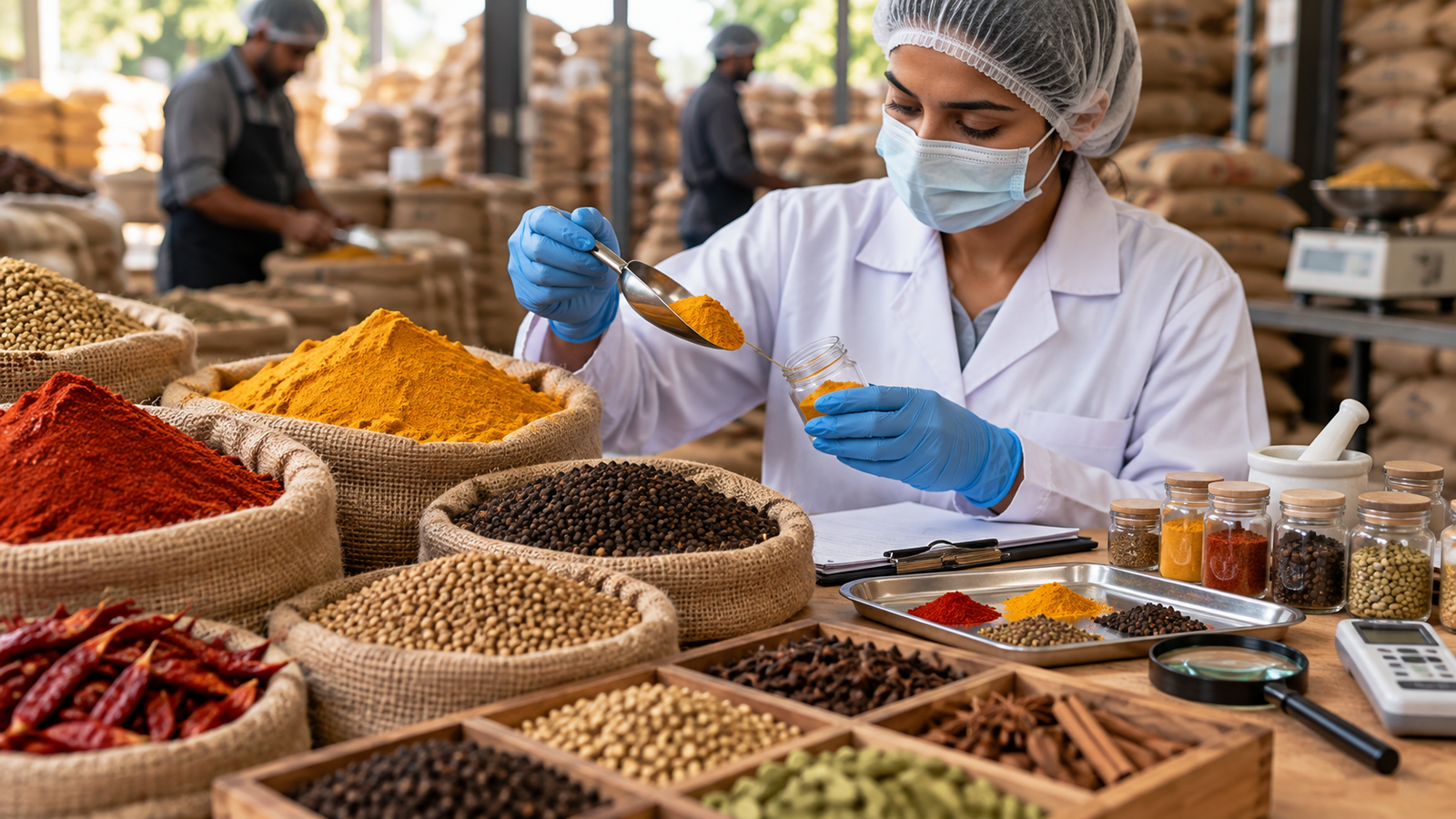
Adulteration in spices is a significant procurement risk for food manufacturers, exporters, retailers, spice processors and commercial food businesses. When ingredients are purchased in bulk, even a single compromised shipment can affect multiple production batches, resulting in inconsistent quality, regulatory concerns and financial loss.
For Food Quality Assurance Managers, effective spice adulteration detection should not begin only after a suspicious batch arrives. The objective is to create a systematic quality-control process that prevents adulterated, contaminated or substandard material from entering production.
A reliable programme combines supplier qualification, representative sampling, sensory evaluation, rapid screening, laboratory analysis and complete batch traceability.
Why Adulteration in Spices Requires Strong Quality Control
Ground spices are generally more difficult to authenticate visually than whole spices because grinding removes many of the physical characteristics used to identify the original material.
This creates opportunities for low-value plant matter, excessive starch, mineral material, colouring substances or other foreign materials to be introduced.
For commercial buyers, adulteration in spices can result in:
- Failed raw-material specifications
- Inconsistent flavour, aroma and colour
- Customer complaints
- Finished-product rejection
- Regulatory non-compliance
- Product recalls
- Increased laboratory and investigation costs
- Damage to brand reputation
This is why bulk spice quality control should be treated as an integral part of procurement rather than simply an inspection performed after delivery.
Common Quality Risks in Bulk Spices
Different spices have different adulteration and contamination risks. Quality teams should establish individual specifications for each commodity rather than applying the same checklist to every spice.
| Spice | Common Quality Risks |
|---|---|
| Turmeric | Added starch, excess mineral matter, foreign material or abnormal colouring |
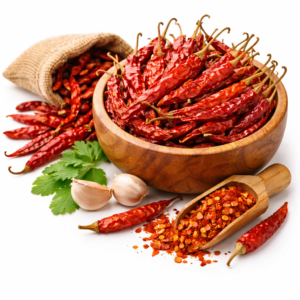
| Chilli Powder | Foreign plant powder, grit, added colour or excessive seeds |
| Black Pepper | Light berries, foreign seeds, damaged berries or substituted material |
| Coriander Powder | Starch, exhausted material or other foreign plant matter |
| Ground Spice Blends | Undeclared fillers, excessive starch or inconsistent composition |
| Whole Spices | Stones, stems, insects, mould, damaged material or foreign seeds |
A commodity-specific risk assessment allows spice quality testing to focus on the parameters most likely to affect each ingredient.
1. Begin with Representative Sampling
Accurate testing depends on accurate sampling.
A laboratory result from one small portion of a large shipment may not represent the entire lot. Samples should therefore be collected from multiple bags, cartons or sections of the shipment according to an established sampling procedure.
Every sample should be identified with information such as:
- Supplier name
- Purchase order number
- Batch or lot number
- Date received
- Sampling location
- Quantity sampled
- Name of the responsible QA personnel
Where practical, retain a sealed reference sample from approved lots. Retained samples are particularly valuable when investigating later complaints or comparing batch-to-batch differences.
2. Perform Visual, Aroma and Texture Inspection
Sensory examination remains one of the fastest initial screening methods available to QA teams.
Incoming material should be compared against an approved reference sample wherever possible.
Check the Colour
Look for unexpected changes in shade, brightness and uniformity.
A spice that suddenly appears significantly brighter or darker than historically approved batches should be investigated rather than automatically accepted.
Evaluate the Aroma
Spices should exhibit their characteristic natural aroma.
Weak, stale, musty, dusty or unusual chemical odours can indicate ageing, contamination, poor storage conditions or inferior raw material.
Examine the Texture
Ground spices should be assessed for:
- Excessive grittiness
- Unusual fineness
- Hard clumping
- Visible foreign particles
- Inconsistent particle size
Whole spices should additionally be checked for stones, stems, insects, mould, damaged material and foreign seeds.
These checks are valuable screening tools, but they should not replace appropriate spice adulteration testing when authenticity is uncertain.
3. Check Moisture and Basic Quality Parameters
Moisture is an important parameter in commercial spice handling because it influences storage stability, product flow and deterioration during storage.
Acceptable moisture levels should be defined in the purchasing specification for each spice.
Depending on the commodity, food quality assurance teams may also monitor:
- Total ash
- Acid-insoluble ash
- Extraneous matter
- Volatile oil
- Bulk density
- Particle size
- Colour value
- Characteristic chemical markers
FSSAI’s revised analytical manual for spices includes methods covering parameters such as moisture, ash, volatile constituents, spice bioactives and adulteration, while separate manuals cover areas such as pesticide residues, metals, mycotoxins and microbiological analysis.
Historical comparison is also useful. Even when a result remains within specification, a steady shift away from the supplier’s normal values can provide an early indication of changing raw-material quality.
4. Use Rapid Screening Tests Appropriately
Rapid screening methods can help QA departments identify suspicious lots that require more detailed examination.
Depending on the ingredient, screening can be useful for suspected starch, foreign colouring matter, mineral material or certain substituted ingredients.
FSSAI’s DART resources include rapid tests for a range of food products, including spices and condiments. However, DART is positioned primarily as a rapid awareness and screening resource rather than a substitute for formal commercial laboratory analysis.
For commercial procurement, suspicious rapid-test results should therefore trigger:
- Quarantine of the affected lot
- Retention of representative samples
- Confirmatory laboratory testing
- Supplier notification
- Documented investigation
The acceptance decision should be based on validated testing and applicable product specifications.
5. Build a Risk-Based Laboratory Testing Programme
Not every incoming spice requires every available laboratory test.
A better approach is to establish a testing programme based on:
- Ingredient vulnerability
- Supplier history
- Previous non-conformities
- Country or region of origin
- Purchase volume
- Product application
- Customer requirements
- Regulatory risk
Testing may include moisture, ash, microscopy, volatile oil, colouring matter, pesticide residues, heavy metals, mycotoxins and microbiological parameters depending on the ingredient and risk profile.
New suppliers and higher-risk materials should receive more intensive verification.
Suppliers with a long history of compliant batches may eventually qualify for reduced-frequency testing, provided the decision is documented and periodically reviewed.
6. Qualify Suppliers Before Placing Large Orders
Effective food fraud prevention starts before the purchase order is issued.
Quality and procurement teams should evaluate the supplier as carefully as the spice itself.
Request appropriate documentation such as:
- Product specification
- Country and region of origin
- Lot identification
- Processing details
- Packaging specifications
- Certificate of Analysis where applicable
- Traceability documentation
- Relevant food-safety records
Price should also be evaluated in context. A quotation significantly below normal market prices warrants additional verification rather than automatic approval.
Businesses looking for origin-focused ingredients can explore Vrishabha Organics’ premium organic spices and agricultural commodity range.
7. Make Traceability Part of Every QA Approval
Effective spice supply chain traceability should allow a quality manager to connect every received lot back through the commercial supply chain.
A basic traceability path may look like:
Supplier → Origin → Production/Harvest Lot → Processing → Packing → Shipment → Warehouse Intake
When traceability is maintained correctly, QA teams can isolate the source of a problem without unnecessarily blocking unrelated inventory.
Vrishabha Organics outlines its approach to spice supply chain traceability through origin sourcing, documented farms, farmer partnerships and lot-level supply-chain practices.
Avoid mixing separate incoming lots before QA approval. Once materials from multiple consignments are combined, identifying the origin of a later quality failure becomes considerably more difficult.
8. Create a Supplier Risk-Rating System
Not every supplier requires the same level of monitoring.
A simple supplier classification can divide vendors into low-, medium- and high-risk categories.
Factors to evaluate include:
- Previous non-conformities
- Complaint history
- Documentation quality
- Price anomalies
- Batch consistency
- Traceability
- Laboratory test history
- Audit performance
- Ingredient vulnerability
- Corrective-action response
High-risk suppliers can receive increased sampling, additional laboratory testing or mandatory pre-shipment verification.
For procurement teams developing stronger sourcing procedures, this bulk ingredient procurement guide also demonstrates useful principles such as supplier evaluation, sampling, quality grading and commercial batch consistency.
9. Establish Clear Acceptance and Rejection Criteria
QA approval should never depend solely on individual judgement.
Every spice should have a documented purchasing specification defining acceptable sensory, physical and analytical parameters.
The procedure should also specify what happens when a result fails.
Depending on the severity, the response may include:
- Holding the shipment
- Repeating the test
- Testing the retained sample
- Sending samples to an independent laboratory
- Requesting a supplier investigation
- Raising corrective action
- Rejecting the shipment
Repeated failures from the same supplier should influence future purchasing and risk classification.
A consistent procedure makes spice adulteration detection measurable and auditable rather than subjective.
From Quality Control to Final Food Application
The purpose of spice quality testing is ultimately to ensure that authentic aroma, flavour and ingredient quality reach the finished product.
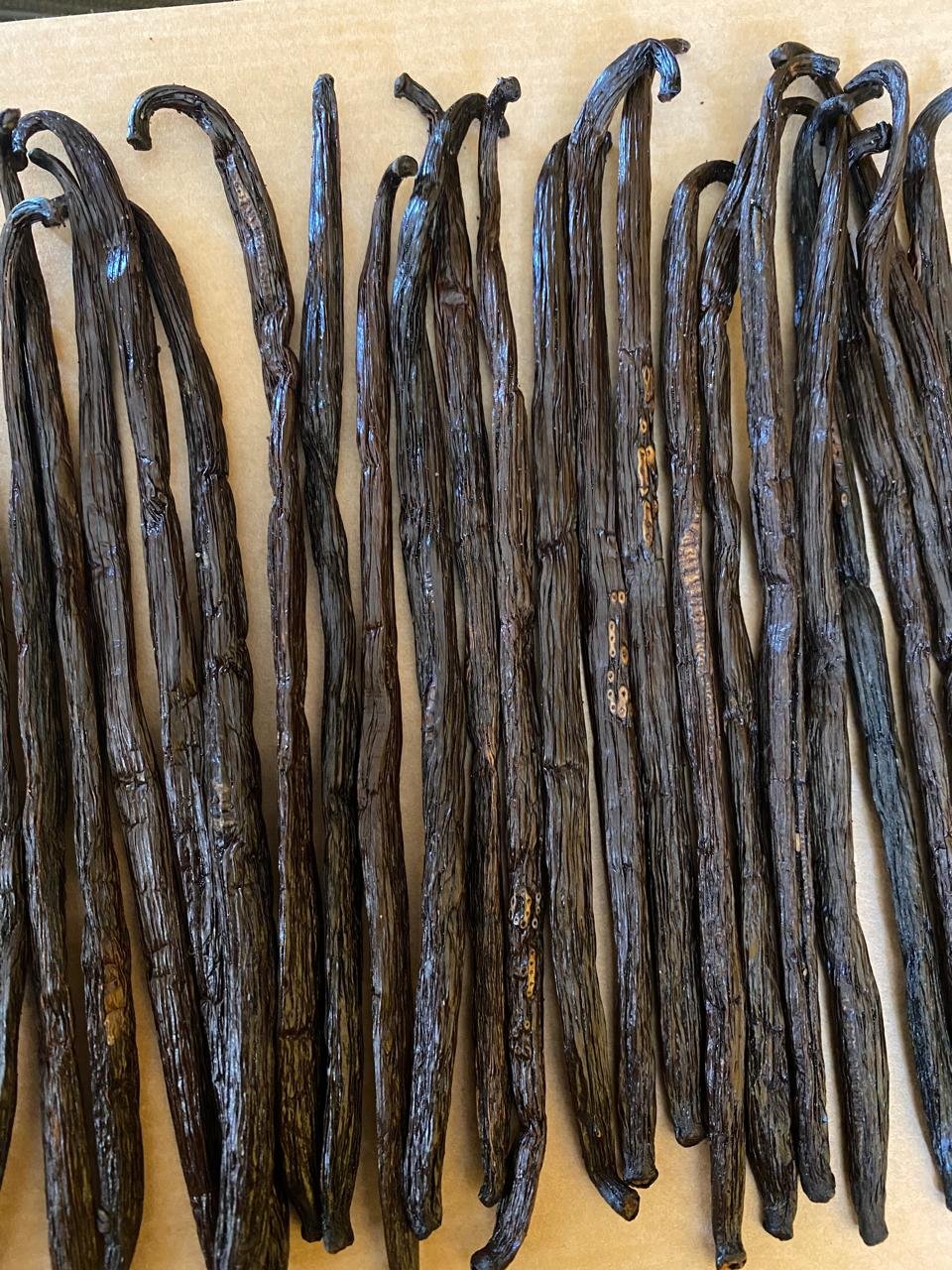
The difference becomes particularly noticeable when a premium ingredient is intended to be a defining flavour rather than a minor component.
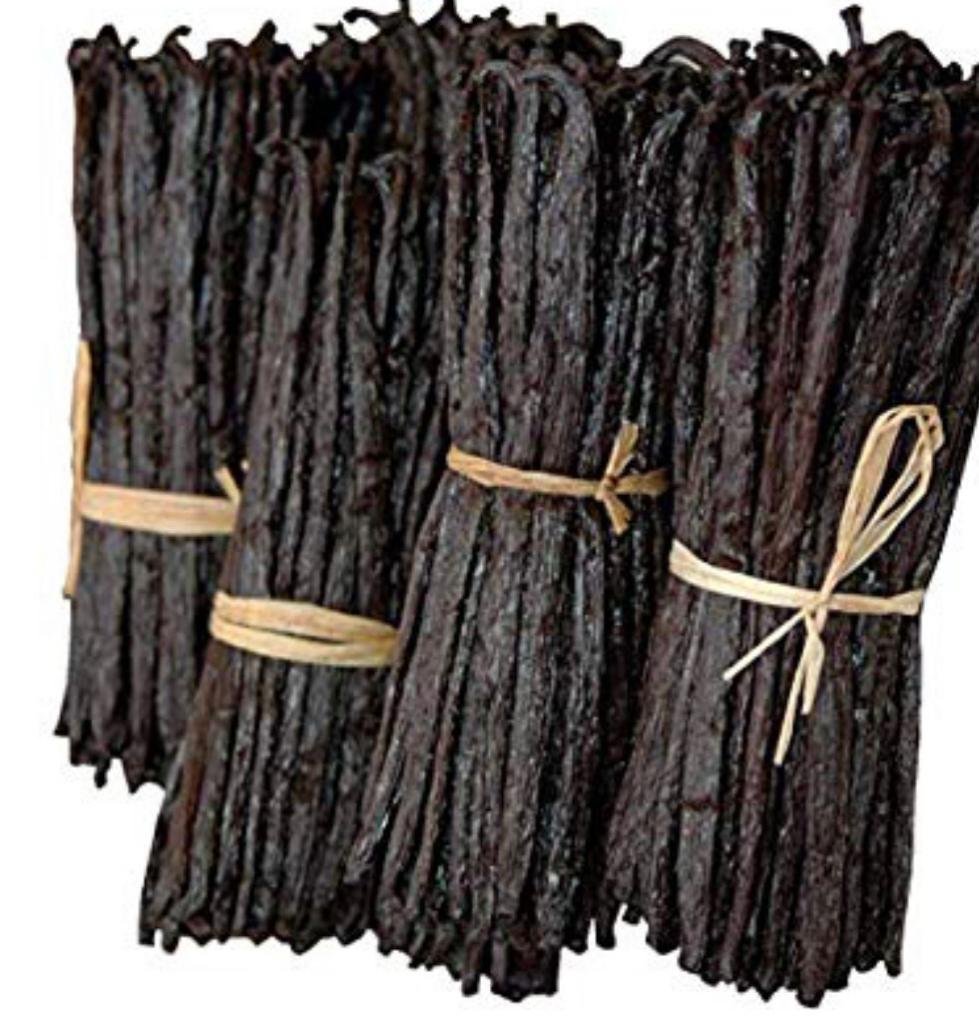
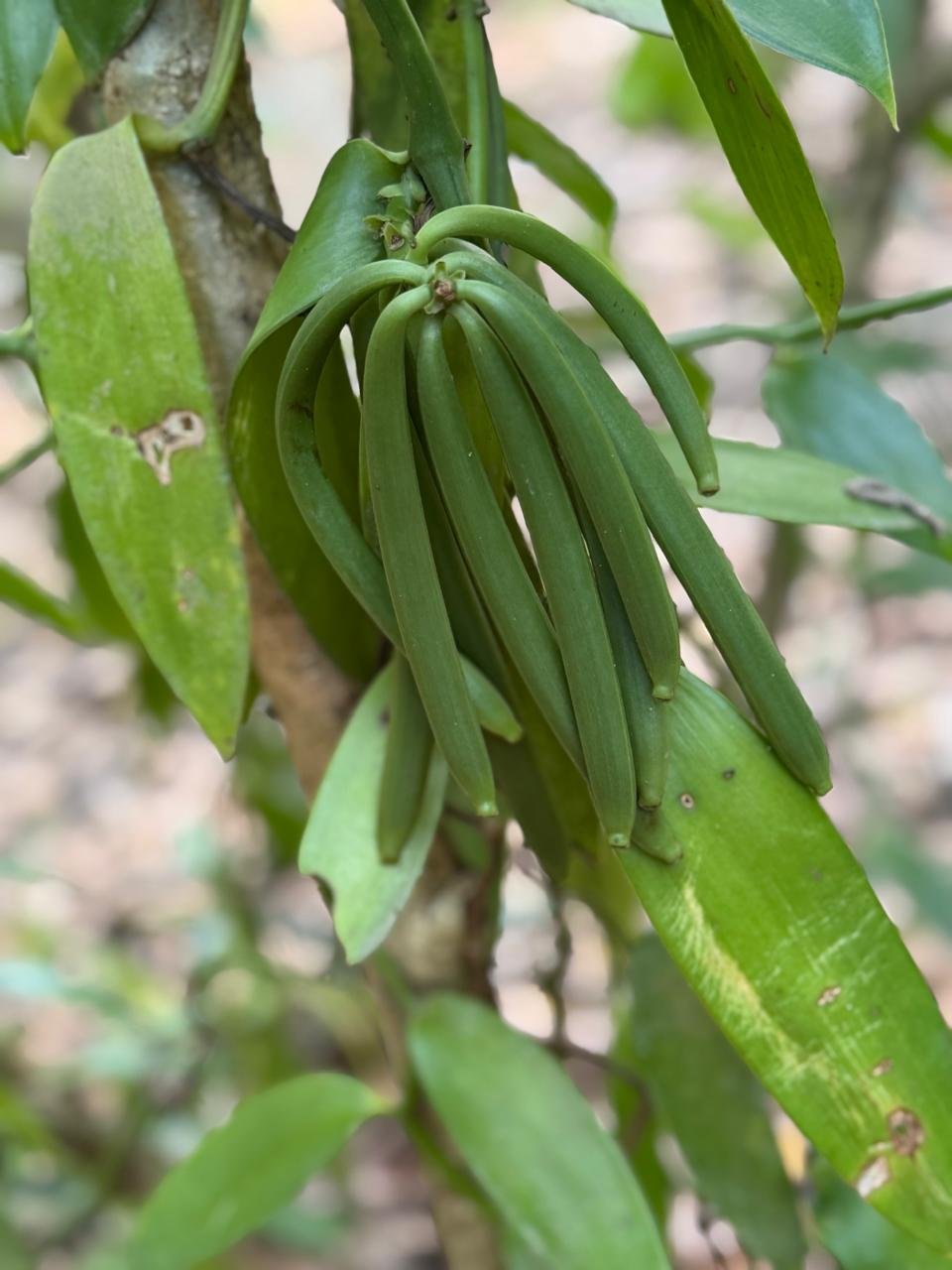
For culinary and product-development inspiration, explore the Vanilla Bean Rice Pudding recipe, where real vanilla is central to the flavour profile.
You can also explore the French Vanilla Bean Macarons recipe, where ingredient consistency is particularly important in a precision bakery application.
Conclusion
Reliable spice adulteration detection in bulk markets requires much more than judging a spice by its appearance.
The strongest quality programme combines representative sampling, sensory evaluation, defined specifications, risk-based laboratory testing, supplier qualification and complete traceability.
For Food Quality Assurance Managers, prevention is more efficient than investigating a problem after an adulterated or non-conforming ingredient has already entered production.
Establish clear specifications before purchasing, monitor supplier performance, retain representative samples, compare results across batches and investigate unusual changes immediately.
A structured approach to bulk spice quality control protects finished-product consistency, strengthens procurement decisions and reduces the commercial and regulatory risks associated with food fraud.
Quick FAQ's
Start with representative sampling, visual and sensory inspection, specification checks and appropriate analytical testing. Any suspicious result should trigger quarantine and confirmatory testing before the shipment is approved.
Ground spices such as turmeric, chilli powder, coriander powder and spice blends can be more difficult to authenticate visually because their original physical structure has been removed during grinding.
No. Rapid tests are useful for preliminary screening, but important commercial acceptance decisions should rely on appropriate validated analytical methods and laboratory testing.
Depending on the ingredient and intended market, buyers should consider product specifications, lot details, origin information, Certificates of Analysis, processing information, traceability records and relevant food-safety documentation.
Use qualified suppliers, establish detailed raw-material specifications, maintain lot traceability, conduct risk-based testing, retain reference samples and regularly review supplier performance.