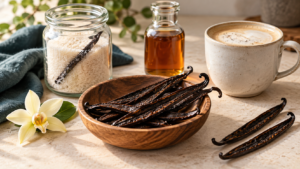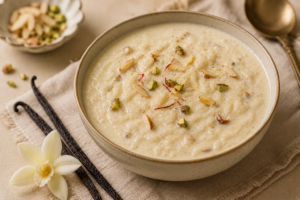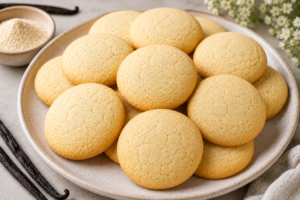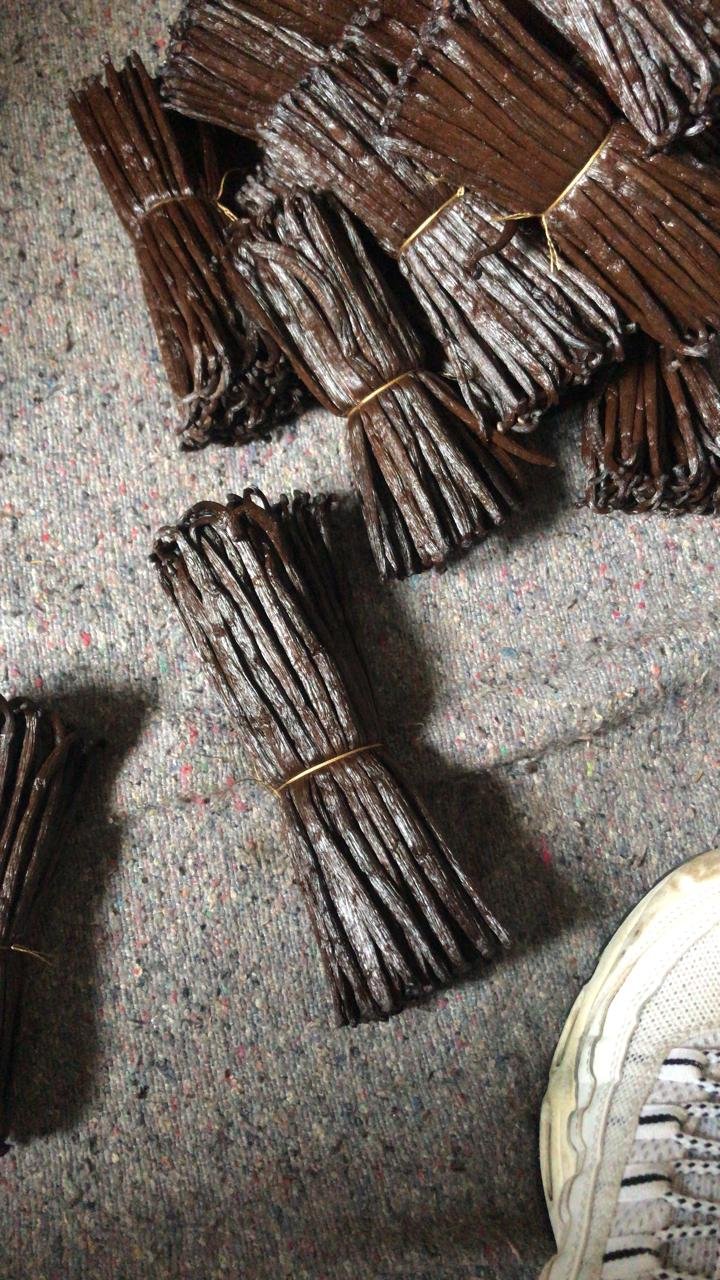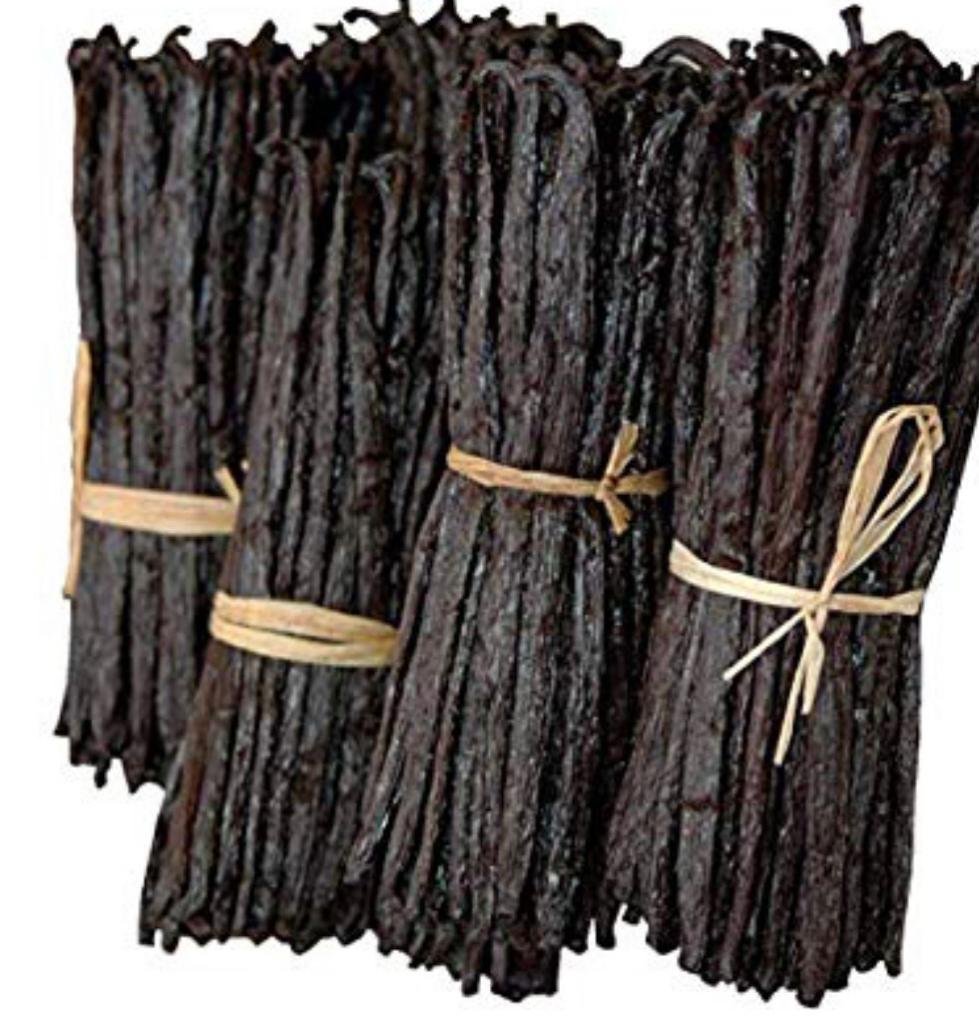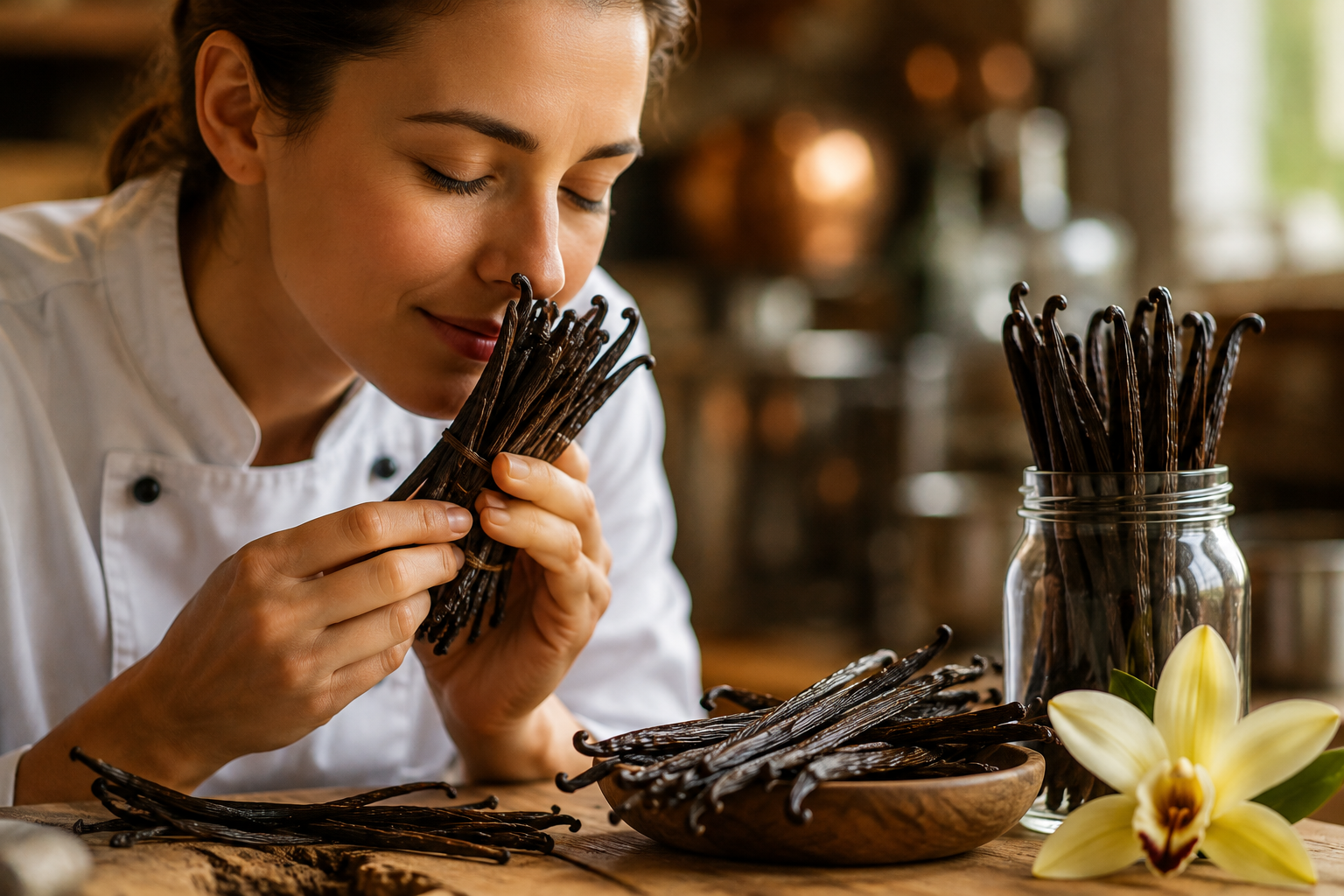
Have you ever opened a pack of premium vanilla beans and noticed how their fragrance fills the room before you’ve even split the pod? It’s warm, creamy, floral, and slightly woody – almost like nature’s own perfume. One of my friends once joked, “If they made this smell into a candle, I’d never leave my house!” Surprisingly, that unforgettable aroma isn’t created by a single ingredient.
Many people believe vanilla smells the way it does because of vanillin alone. While vanillin is undoubtedly the star of the show, it’s only one member of a much larger cast. The true magic of vanilla lies in hundreds of naturally occurring aroma compounds working together to create one of the world’s most loved fragrances.
The Journey of Aroma Begins Inside the Bean
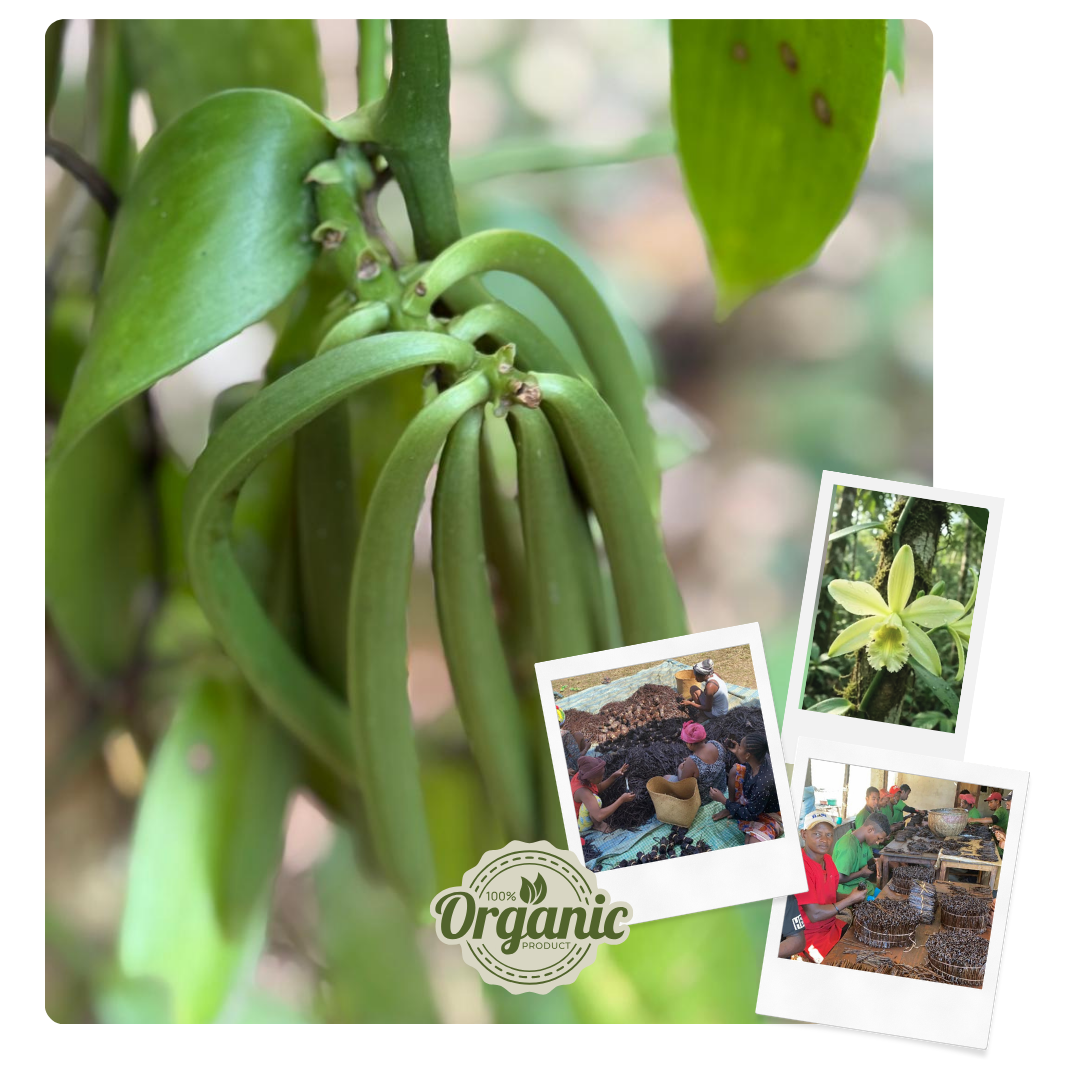
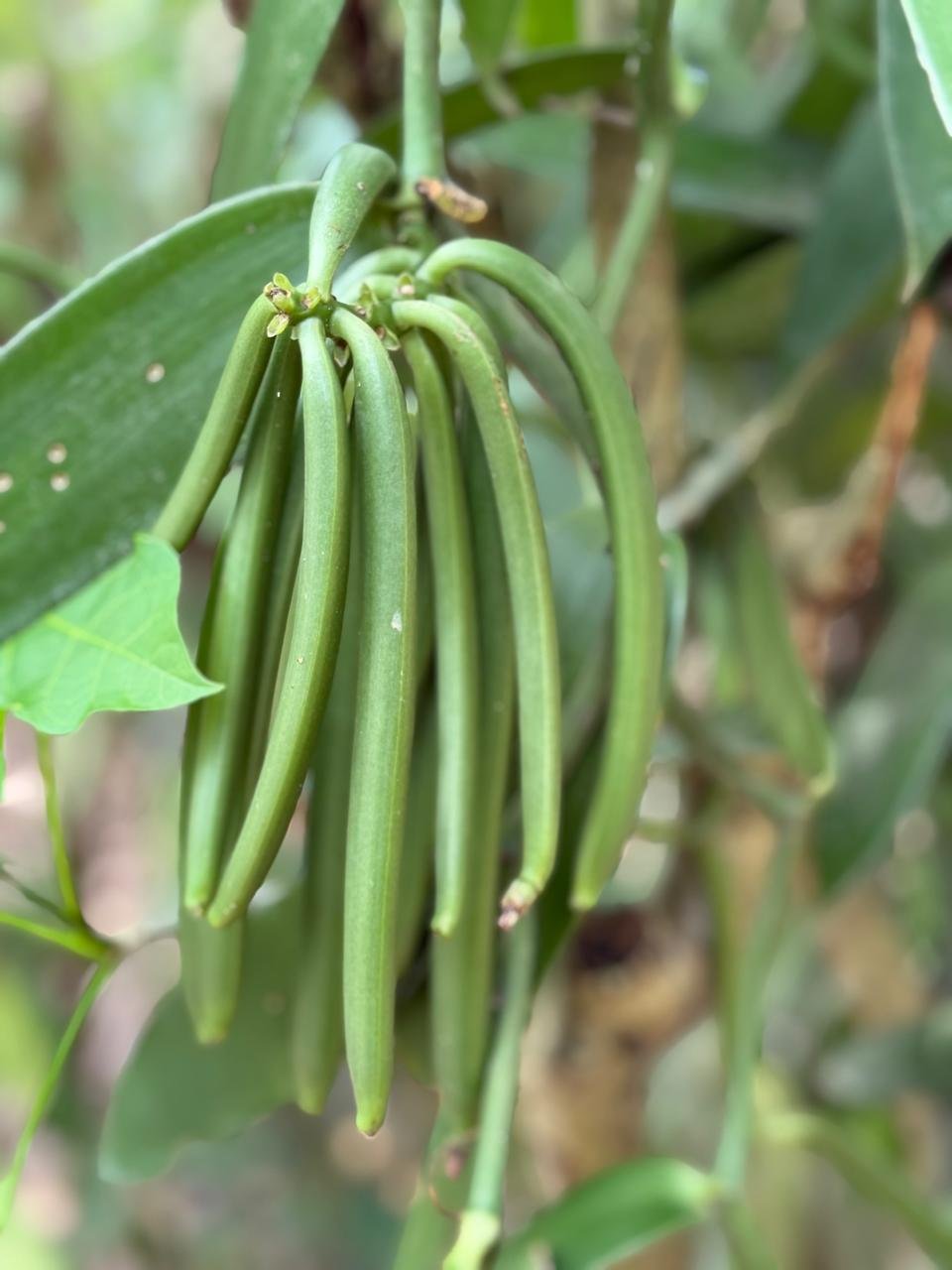
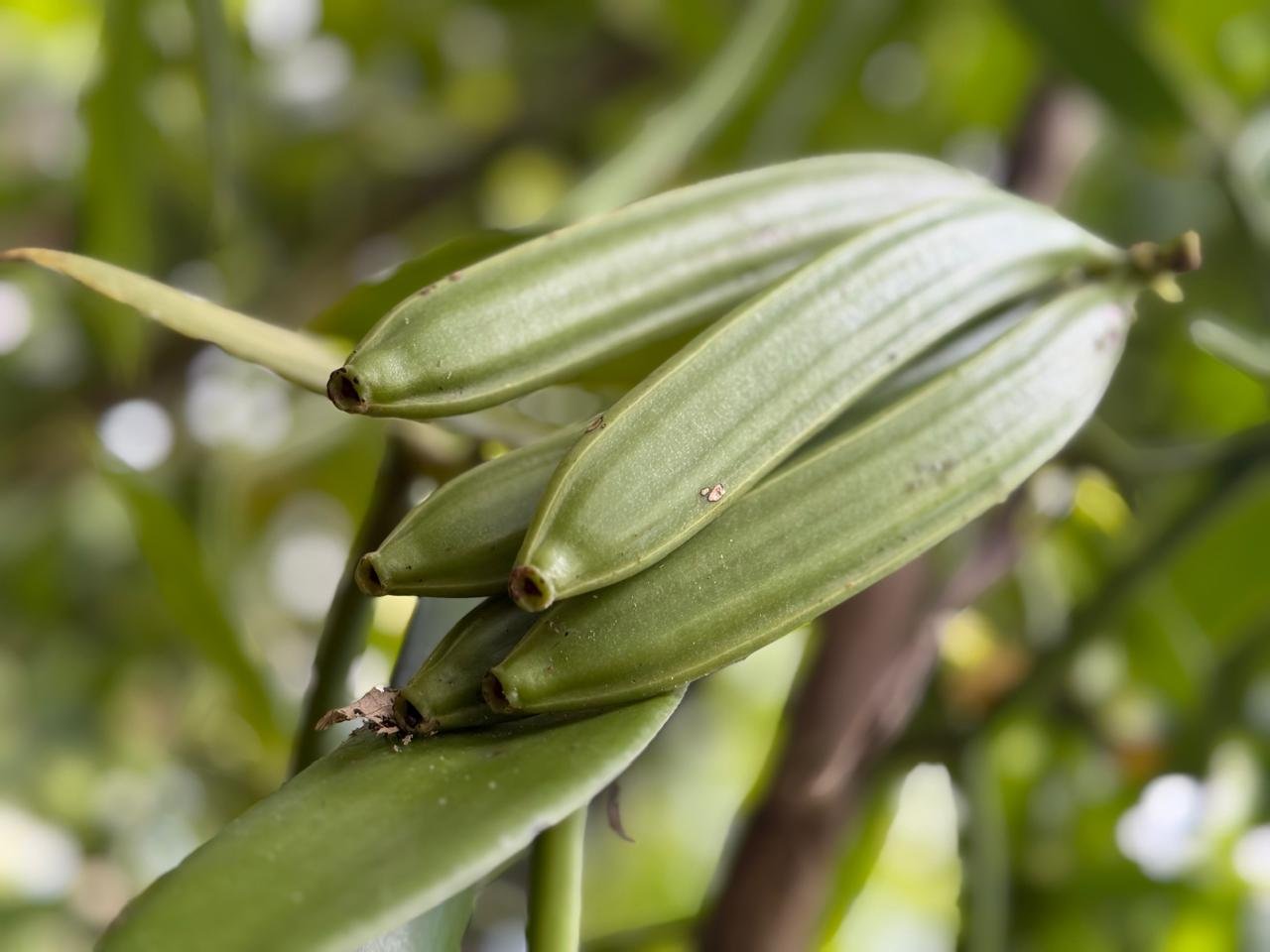
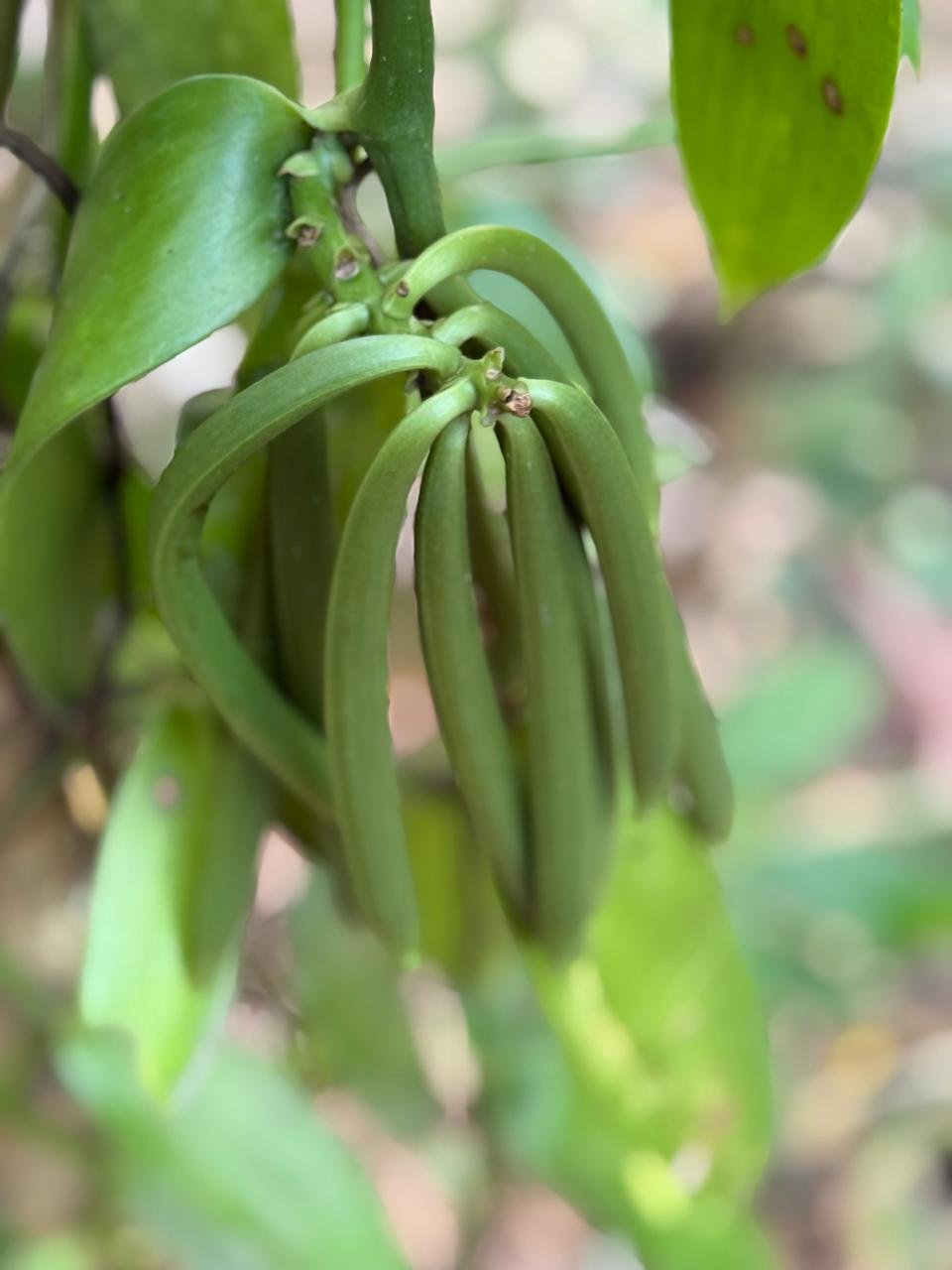
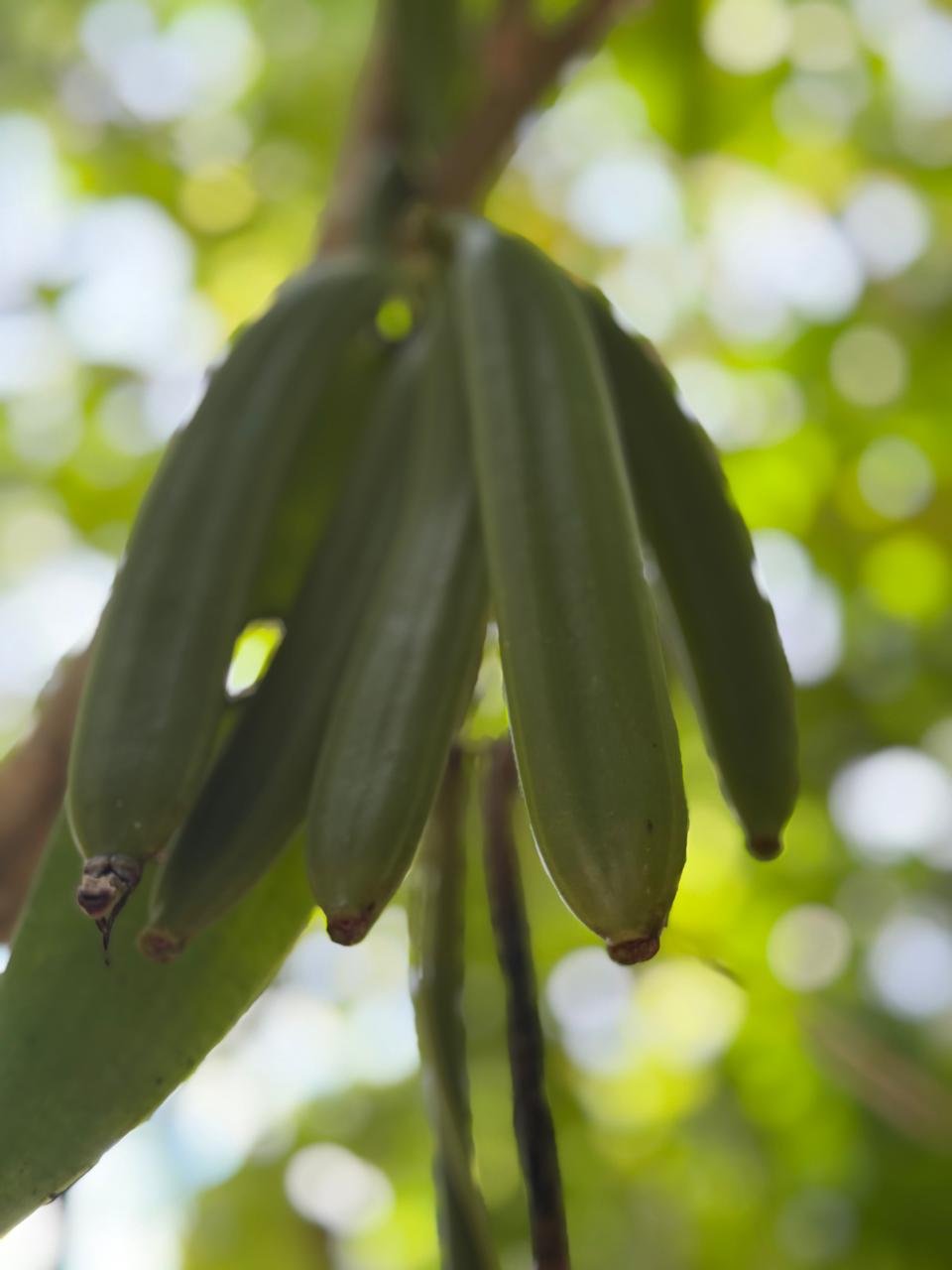
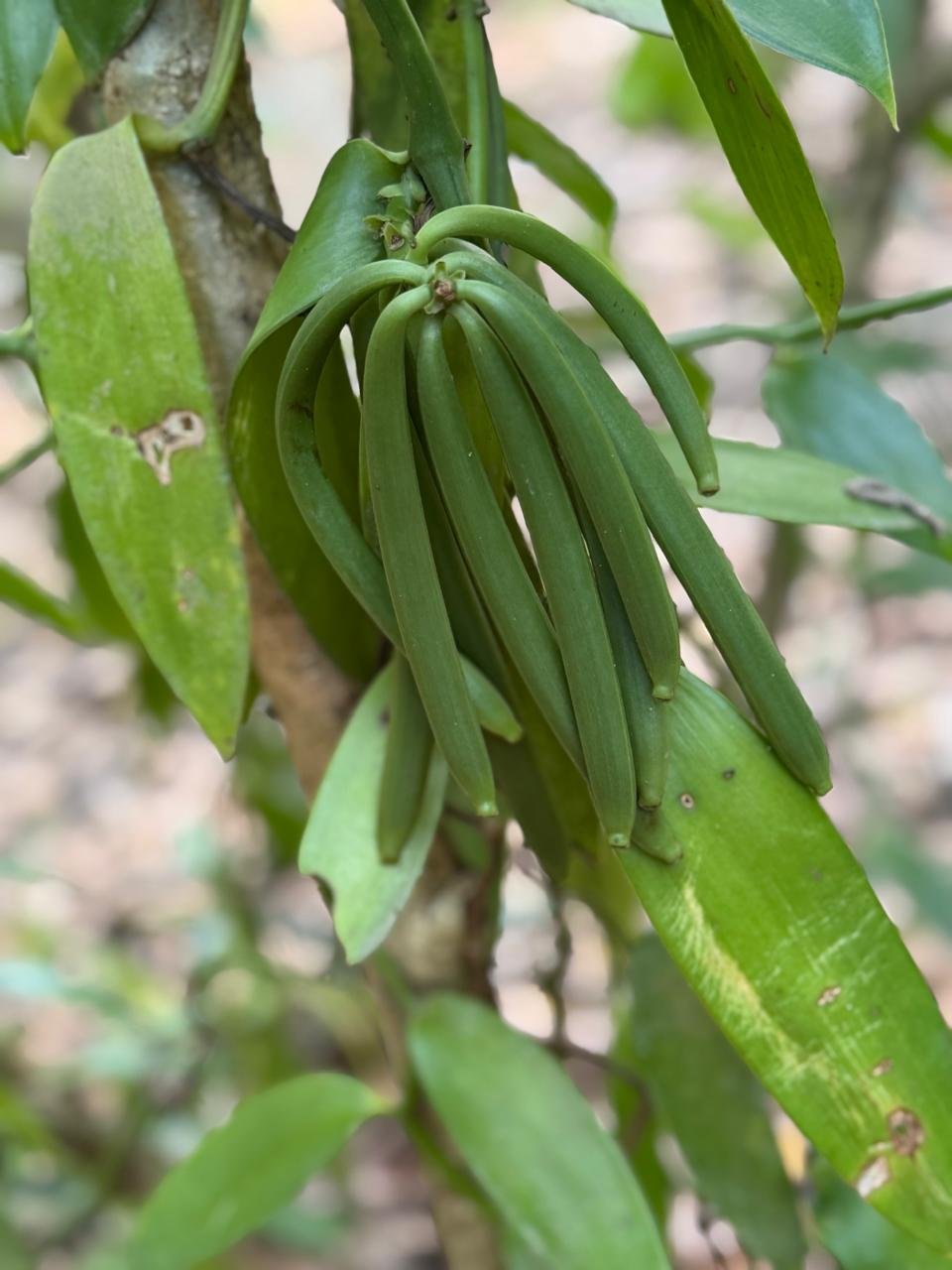
Here’s something that surprises most people: freshly harvested vanilla beans don’t smell like vanilla.
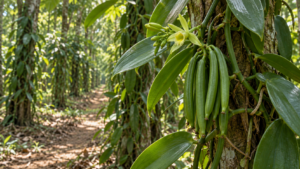
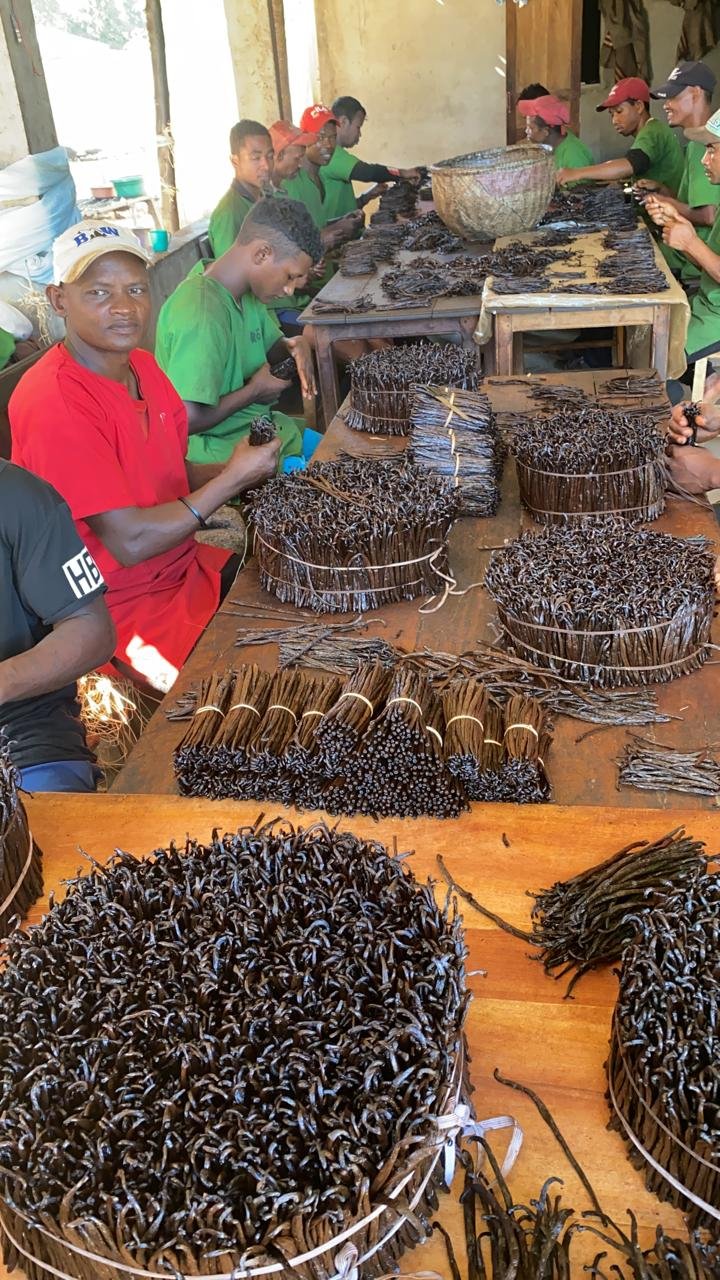
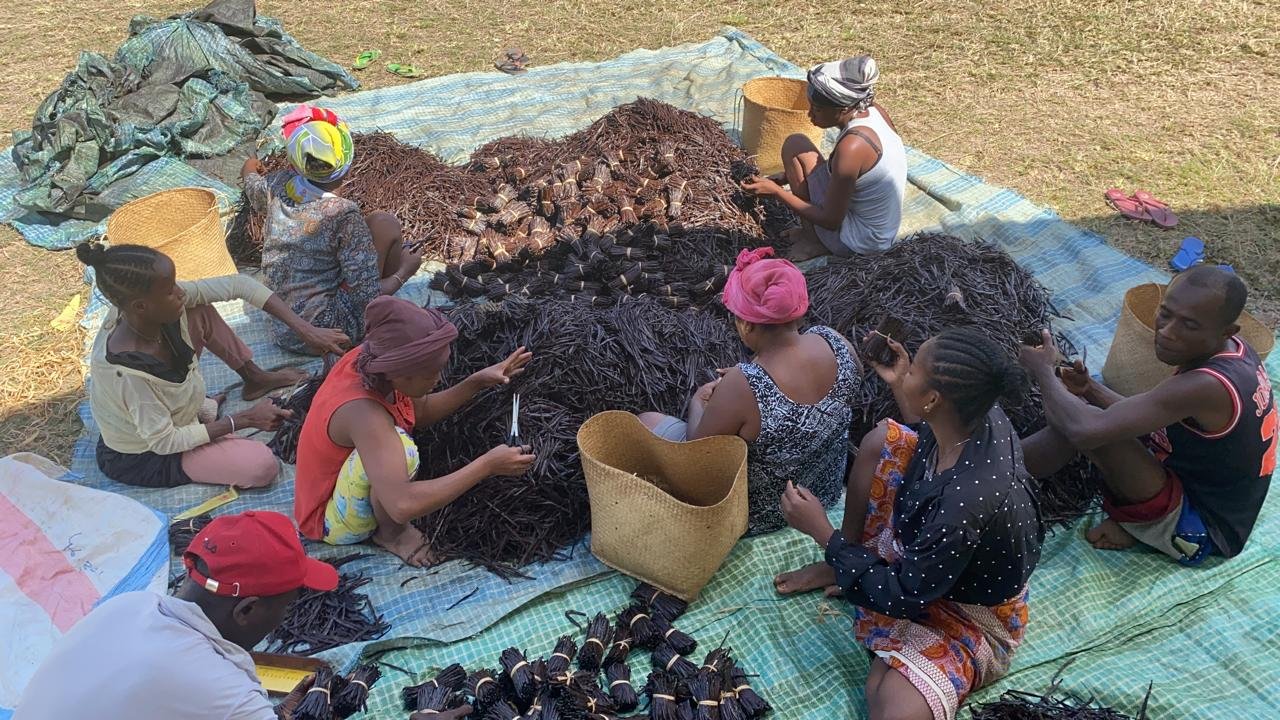
When vanilla pods are picked from the orchid vine, they’re green, firm, and have very little fragrance. The aroma develops only after a carefully controlled curing process that can take four to six months.
This journey includes four important stages:
- Harvesting – Mature green beans are picked by hand.
- Sweating – Beans are wrapped to encourage enzyme activity.
- Drying – Moisture is gradually reduced under the sun and shade.
- Conditioning – Beans are aged to develop their final aroma.
During curing, naturally occurring enzymes convert a compound called glucovanillin into vanillin while also creating hundreds of other volatile compounds responsible for vanilla’s rich fragrance.
In other words, vanilla isn’t born fragrant – it earns its aroma through time and careful craftsmanship.
Vanillin: The Star Compound
If vanilla aroma had a celebrity, it would be vanillin.
Vanillin is the primary compound responsible for the sweet, creamy scent that most people immediately recognise. It forms naturally during curing and contributes a large portion of vanilla’s characteristic aroma.
In fact, vanillin became so popular that scientists isolated it in the 19th century and later learned how to produce it synthetically. That discovery eventually led to the creation of imitation vanilla flavour used in many commercial food products today.
But here’s where things get interesting.
If vanillin were the only thing responsible for vanilla’s aroma, real vanilla beans and artificial vanilla would smell exactly the same. Yet anyone who has compared the two knows they don’t.
That’s because nature rarely relies on a single ingredient.
Beyond Vanillin: The Hidden Aroma Orchestra
Real vanilla is far more complex than a bottle of synthetic vanillin.
Researchers published in the Journal of Agricultural and Food Chemistry have identified more than 250 volatile compounds in cured vanilla beans. Each contributes subtle layers that make natural vanilla smell richer and more balanced.
Some of the key compounds include:
Think of vanillin as the lead singer of a band. It grabs your attention first, but the guitars, drums, keyboard, and backing vocals are what create the complete performance. Remove them, and the music loses its depth.
That’s exactly what happens with artificial vanilla – it captures the lead singer but misses the orchestra.
Why Real Vanilla Smells Different Throughout the Day
Have you ever noticed that the aroma of real vanilla seems to change over time?
That’s because different aroma compounds evaporate at different rates.
When you first open a vanilla bean, you may notice delicate floral notes. A few minutes later, creamy sweetness becomes more prominent. As the aroma settles, subtle woody, caramel, and even chocolate-like notes emerge.
Perfumers describe fragrances using three stages:
- Top Notes – Fresh and floral
- Middle Notes – Creamy and sweet
- Base Notes – Woody, warm, and caramel-like
Real vanilla behaves much like a fine perfume.
Artificial vanilla, by comparison, is dominated by synthetic vanillin, giving it a single-note aroma with very little evolution over time.
What Research Says
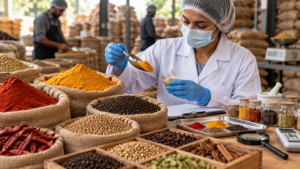
Food scientists use sophisticated techniques such as gas chromatography-mass spectrometry (GC-MS) to analyse vanilla aroma. These studies consistently show that natural vanilla contains hundreds of volatile compounds that interact to create its signature fragrance.
Sensory evaluations have also found that trained tasting panels describe natural vanilla as richer, smoother, and more complex than synthetic vanillin. While artificial vanilla successfully mimics the primary scent, it cannot fully reproduce the layered aroma developed through months of natural curing.
How to Preserve the Aroma of Vanilla Beans
Buying premium vanilla beans is only half the journey. Proper storage helps maintain their fragrance.
For best results:
- Store beans in an airtight glass container.
- Keep them in a cool, dark cupboard.
- Avoid direct sunlight.
- Do not refrigerate, as condensation can encourage mould.
- Check them occasionally to ensure they remain soft and pliable.
Quick FAQ
Vanilla beans get their aroma from vanillin along with more than 250 naturally occurring volatile compounds that develop during the curing process.
Freshly harvested green vanilla beans have very little aroma. Their characteristic fragrance develops only during the curing process through natural enzymatic reactions.
Real vanilla contains hundreds of aroma compounds that create a rich, layered fragrance, while artificial vanilla is primarily based on synthetic vanillin.
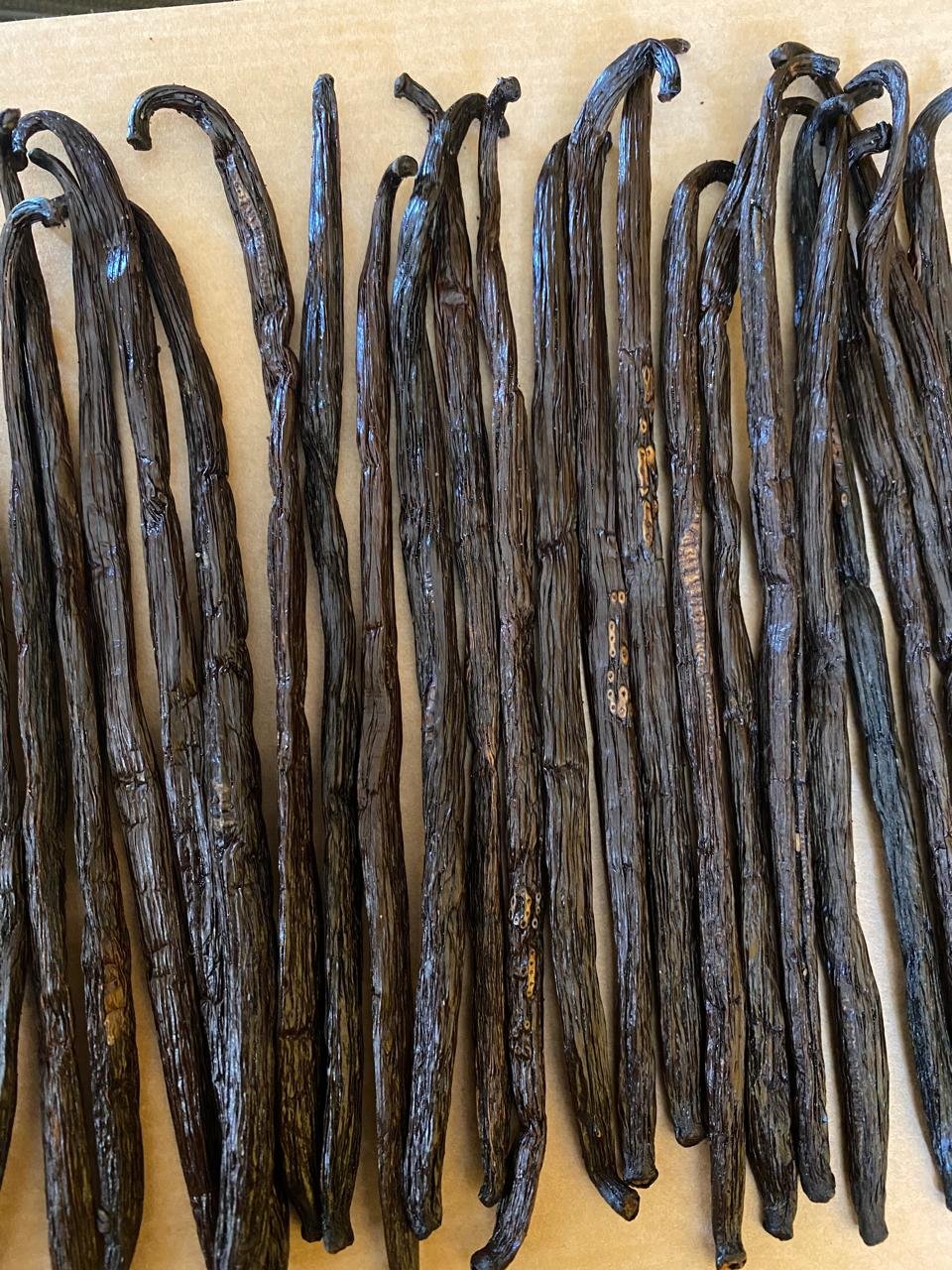
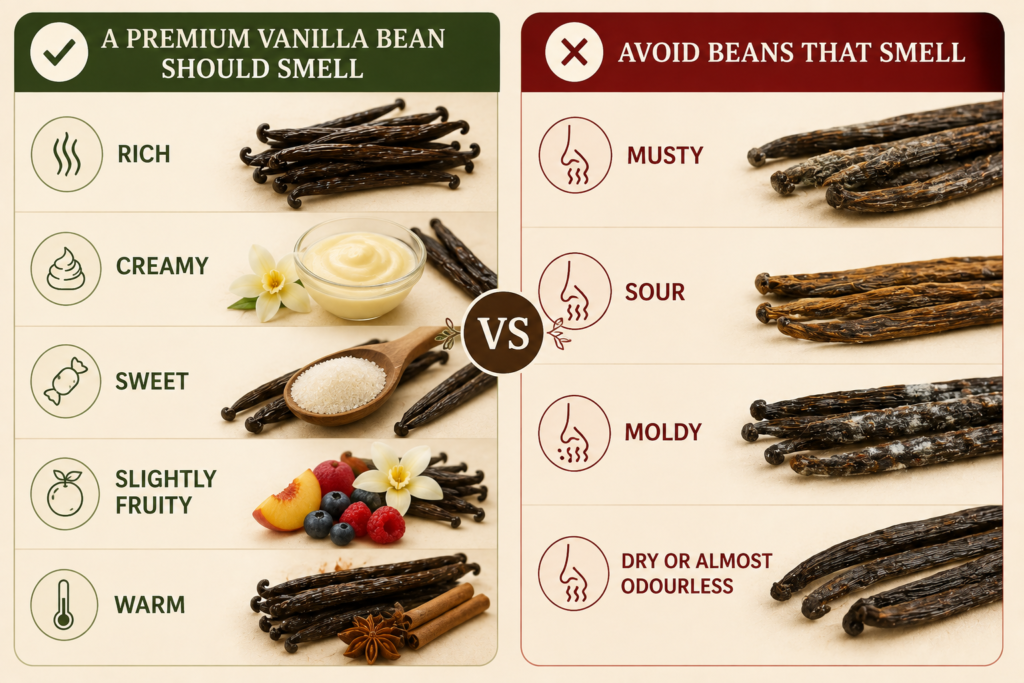
High-quality vanilla beans should smell rich, creamy, sweet, slightly floral, and warm. Avoid beans that smell musty, sour, mouldy, or nearly odourless.
Conclusion
Every time you open a vanilla bean, you’re experiencing far more than the scent of vanillin. You’re enjoying the result of months of patient cultivation, expert curing, and the remarkable chemistry of more than 250 naturally occurring aroma compounds working in harmony.
Vanillin may introduce you to vanilla’s signature sweetness, but it’s the floral, smoky, caramel, woody, and spicy notes surrounding it that make real vanilla unforgettable. Once you’ve experienced the aroma of authentic vanilla beans, you’ll understand why no artificial substitute can truly capture nature’s masterpiece.